

( ENSPIRE Awareness ) Understanding the Realities of Modern Exploitation and How Communities Can Respond
ENSPIRE Contributor: Zunaira Laaibah
Human trafficking is not confined to headlines or distant borders. It exists in cities, suburbs, and rural communities across the United States, often hidden in plain sight. Each January, National Human Trafficking Awareness Day helps bring national attention to the issue. But as the calendar moves forward, the importance of education, prevention, and survivor support remains just as urgent. Human trafficking occurs when individuals are exploited through force, fraud, or coercion for labor or services. According to the U.S. Department of Homeland Security, trafficking can occur across numerous industries, including agriculture, domestic work, hospitality, construction, and commercial sexual exploitation. Victims may be U.S. citizens or foreign nationals, adults or minors.
Globally, the International Labour Organization estimates that tens of millions of individuals are currently living in situations of forced labor or exploitation, generating billions of dollars in illegal profits each year. These figures highlight the scale of the crisis and the need for sustained public awareness. Education is one of the most powerful tools for prevention. When educators, healthcare professionals, social workers, and service industry employees are trained to recognize warning signs — such as restricted movement, fear-based control, or confiscated identification — intervention becomes possible. Public awareness also strengthens advocacy for policies shaped by legislation such as the Trafficking Victims Protection Act, which focuses on prevention, protection, and prosecution.
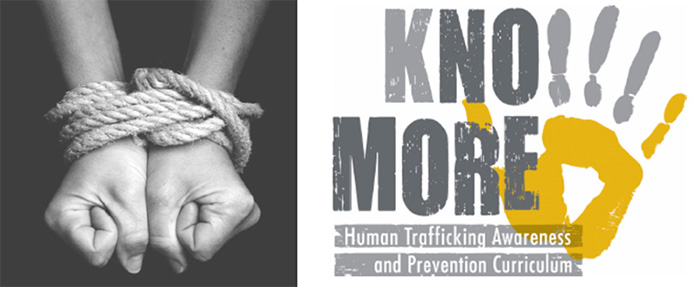
Awareness campaigns such as #WearBlueDay have helped spark national conversations, but lasting progress requires more than a single day of recognition. Survivors often need long-term support, including housing, healthcare, legal assistance, education, and employment opportunities. Trauma-informed services and survivor-centered policies are essential for rebuilding lives after exploitation. Ending trafficking requires coordinated effort from ethical labor practices and supply chain transparency to informed consumers and vigilant communities.
National Human Trafficking Awareness Day is not only a moment of recognition, but a call to sustained engagement Whether you are a student, business leader, educator, healthcare worker, or community member, everyone has a role to play.
Was to engage include:
– Educating yourself and others about trafficking realities
– Supporting credible anti trafficking organizations
– Advocating for survivor center legislation
– Promoting awareness year round, not just on January 11
Through collective effort, education, and justice focused action, communities can help dismantle systems of exploitation and build pathways to freedom and recovery.
Related Articles: Slavery and Human Trafficking Awareness Month