
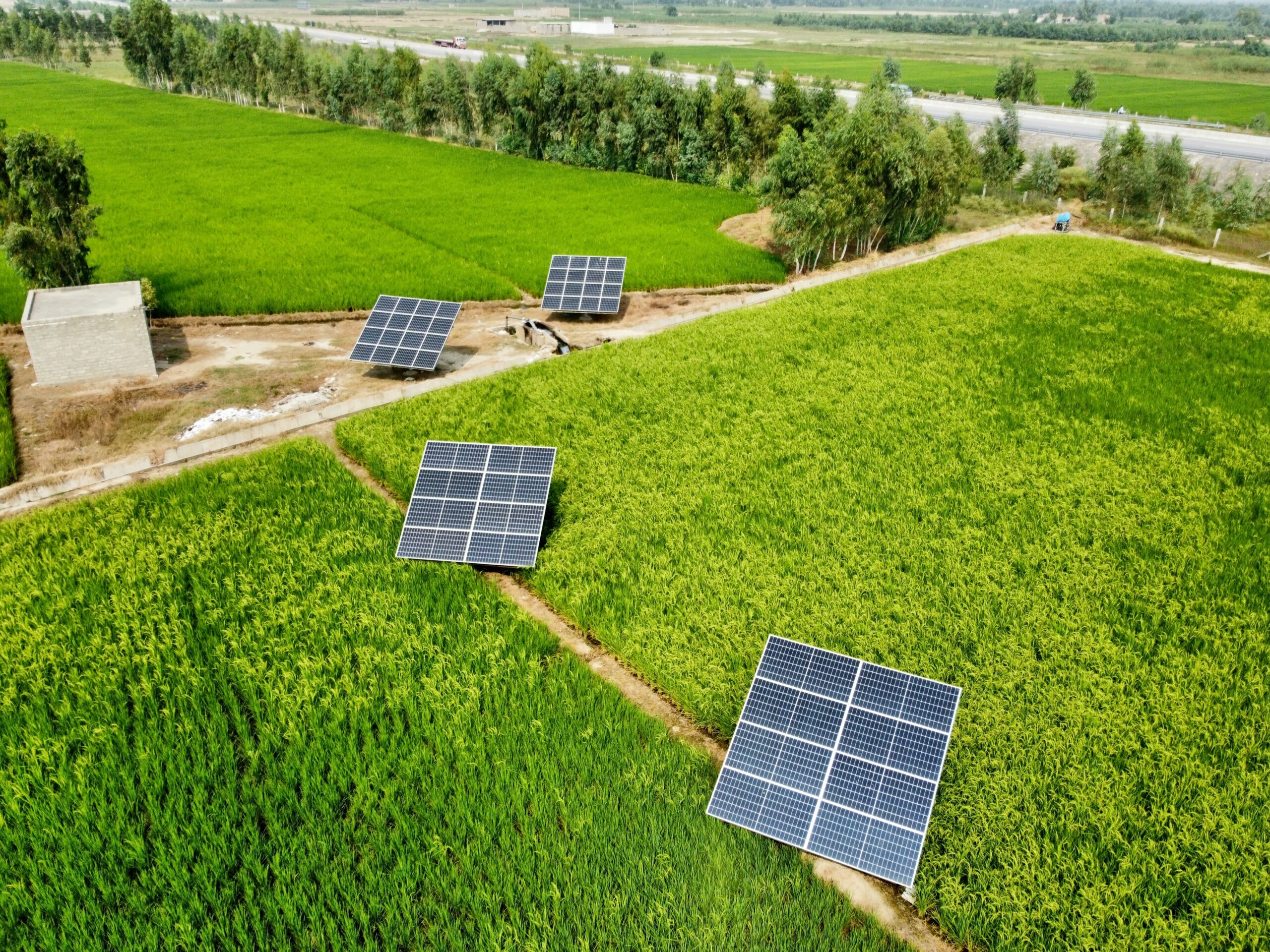
( ENSPIRE Community Spotlight ) Integrating Eco-Conscious Materials and Practices for Greener Outdoor Spaces
In an age where environmental consciousness is more than a passing trend, the way we approach surfaces, be it patios, driveways, or public pathways, is evolving. Sustainability is no longer an afterthought; it’s now a crucial part of design and planning decisions.
Whether you’re updating a garden path or rethinking an outdoor commercial space, it’s essential to explore surface solutions that not only meet functional needs but also support long-term environmental well-being.
The Shift Towards Eco-Conscious Materials
Traditionally, surface materials such as concrete and asphalt have dominated outdoor projects. While practical and widely available, these materials often come with high carbon footprints and limited recyclability.
As awareness grows, both homeowners and industry professionals are seeking out alternatives that align with environmentally friendly goals. This has led to a noticeable shift towards eco-conscious materials, options that combine durability with sustainability. Among these, natural materials have gained renewed interest for their ability to blend seamlessly with the landscape while offering a lower environmental impact throughout their life cycle.
Why Natural Stone Remains a Popular Choice
One of the standout contenders in the realm of sustainable surface solutions is natural stone. Sourced directly from the earth, this material undergoes minimal processing compared to synthetic alternatives. Its inherent strength and resistance to weathering make it a long-lasting choice, reducing the need for frequent replacement and maintenance.
Natural stone is also versatile. It suits a variety of settings, from rustic countryside gardens to sleek urban courtyards. Moreover, the unique textures and colour variations it offers can’t be replicated by man-made alternatives, giving each project a bespoke finish. If you’re considering a greener upgrade to your outdoor space, explore high-quality natural stone paving options that bring timeless appeal and environmental responsibility together.
Permeable Paving and Surface Drainage
Another vital factor in sustainable surface planning is water management. Climate change has made flash flooding more common, particularly in urban areas where impermeable surfaces dominate. This is where permeable paving solutions come into play.
Permeable materials, including certain types of natural stone and gravel, allow rainwater to seep through the surface and into the ground below. This reduces the burden on drainage systems and helps to replenish groundwater supplies. Additionally, these surfaces can be paired with rain gardens or planted borders to further enhance their environmental performance.
Related Articles: HBCU Green Fund: 22 Black Women Forge Economic Ties in Senegal