
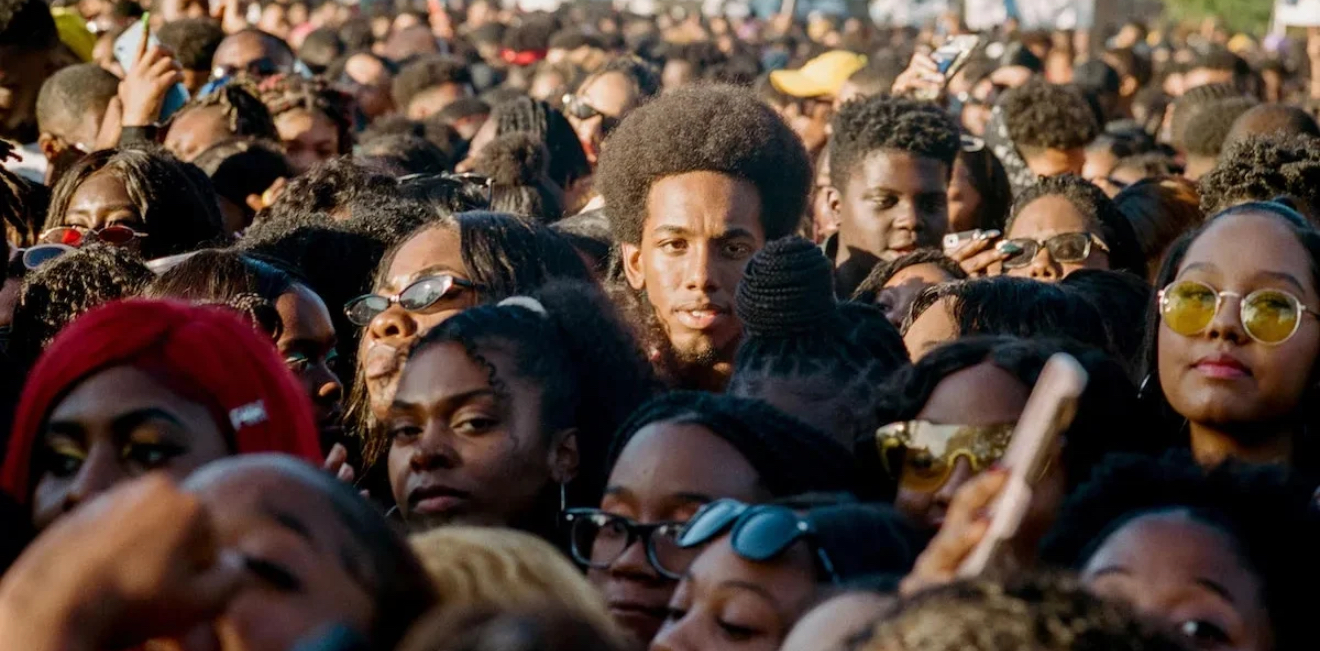
( ENSPIRE News ) Budget Overhaul: Tax Cuts & Defense Up, Healthcare & Nutrition Down and More
ENSPIRE Contributor: Blake Edwards
Photo Credit: Center for American Progress/Ashley Murray (States Newsroom)
President Donald Trump officially signed his “One Big Beautiful Bill” into law on Friday, July 3, after it narrowly passed through both chambers of Congress earlier in the week. The bill—an extension of the 2017 Tax Cuts and Jobs Act—makes many of the tax cuts that were previously set to expire at the end of the year permanent. It also significantly increases government spending on border security, national defense, and energy production. Spanning 887 pages, the legislation covers a wide range of topics. Below are several provisions that hold particular relevance for the Black community.
Medicaid, the federal healthcare program for low-income and uninsured Americans, will face tighter eligibility requirements under the new law. These include stricter income and residency verification, and—for the first time—a federal mandate requiring all able-bodied, childless adults to work or volunteer at least 80 hours per month to qualify. In this context, “childless” refers to individuals without a child under the age of 15. The new work requirement, introduced by the Senate, is considered one of the strictest ever proposed by Republicans. According to estimates from the Congressional Budget Office, approximately 11.8 million Americans could lose healthcare coverage over the next decade.
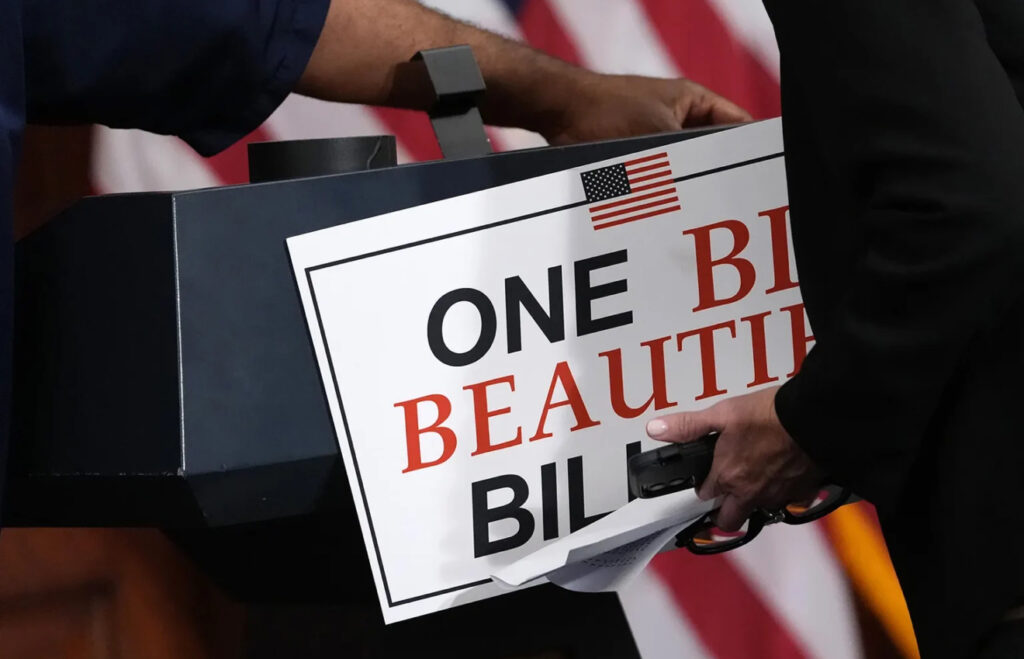
Center for American Progress
The Department of Homeland Security will receive a $150 billion budget increase, funding projects such as expanded shipbuilding for the armed forces and President Trump’s controversial “Golden Dome” missile defense system. A significant portion of the new budget is earmarked for immigration enforcement. The bill allocates $46.5 billion for border wall construction and related expenses, $45 billion for expanding immigrant detention centers, and $30 billion in new funding for U.S. Immigration and Customs Enforcement (ICE). For context, ICE previously operated on an annual budget of $8 billion. With this increase, ICE becomes the largest federal law enforcement agency in the country, according to the Brennan Center for Justice. Additionally, the bill imposes a mandatory $100 fee on all asylum seekers.
Several other provisions may disproportionately impact the Black community. These include raising the age threshold required to receive SNAP (food stamps) benefits without a work requirement, permanently increasing the child tax credit to $2,200, ending tax credits for electric vehicles and clean energy investments, and temporarily allowing tax deductions for tips and overtime pay. While some of these changes may offer short-term relief, others pose long-term challenges for economically vulnerable populations.
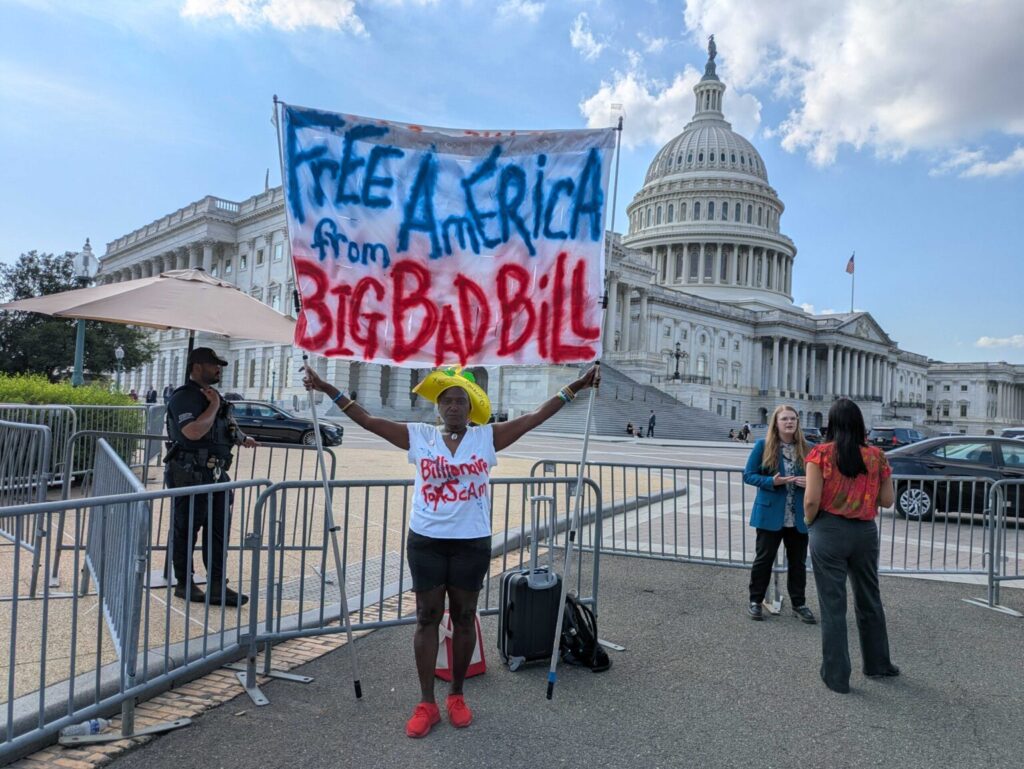
Ashley Murray/States Newsroom
Ultimately, the “big, beautiful” budget bill is expected to add $3.4 trillion to the federal deficit while slashing both individual and corporate tax responsibilities. To offset these losses, the bill reallocates federal funding away from healthcare and nutrition programs and toward defense spending and the militarization of immigration policy. This legislative move marks a significant early milestone in Trump’s second term. It raises critical questions about how federal resources are being redistributed—and how those changes will impact vulnerable communities, particularly Black Americans.
Related Articles: Ms.Cat, A Tax Professional Expert, Launched Woke Money Movement For BIPOC Communities, Unfair Property Assessments Lead To Nationwide Over Taxation of Black American Households