
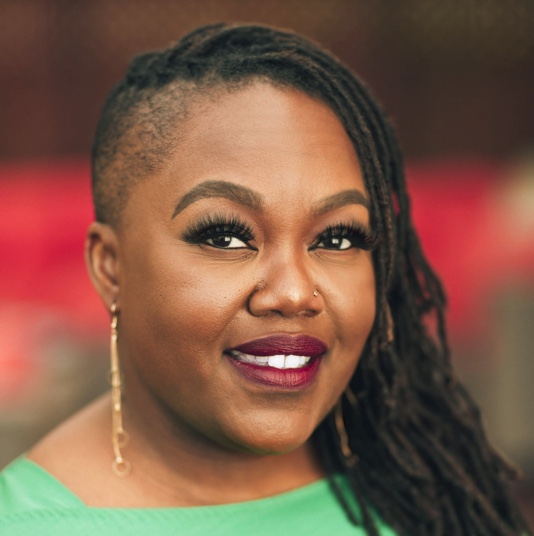
( ENSPIRE Health & Wellness ) Welch Co-Founds Birth Detroit and Birth Center Equity Who Created Beloved Birth 50 By 50 Campaign
Leseliey Welch is a public health strategist and social entrepreneur who uses love as a way of being through her nonprofits geared towards birth initiatives. Founder of Birth Detroit and Birth Center Equity, Welch wants to make communities stronger, healthier, and free, ensuring all people have safe birth options. Birth Detroit is the newest community center that helps develop birth centers rooted in deep equity and partnerships. They created their first freestanding community birth center in 2024. Birth Center Equity is a national effort to invest in Black, Indigenous, people of color-led birth centers at scale to make birth centers a real option in all communities. Welch is the vision behind National Birth Center Week and has created the Beloved Birth 50 by 50 campaign initiative, which invites all with the goal that by 2050, 50% of babies in the U.S. will come into the world with the care of midwives.
This pledge is a movement to shift maternal health outcomes and focus on the leadership of Black midwives. In addition, she has 20 years of leadership experience in city, state, and national health organizations. Her other accolades include serving as an interim executive director of Birthing Project USA. She was also the Deputy Director of Public Health for the City of Detroit. In addition, Welch was a consultant in the development of Michigan’s first comprehensive LGBTQ health center.
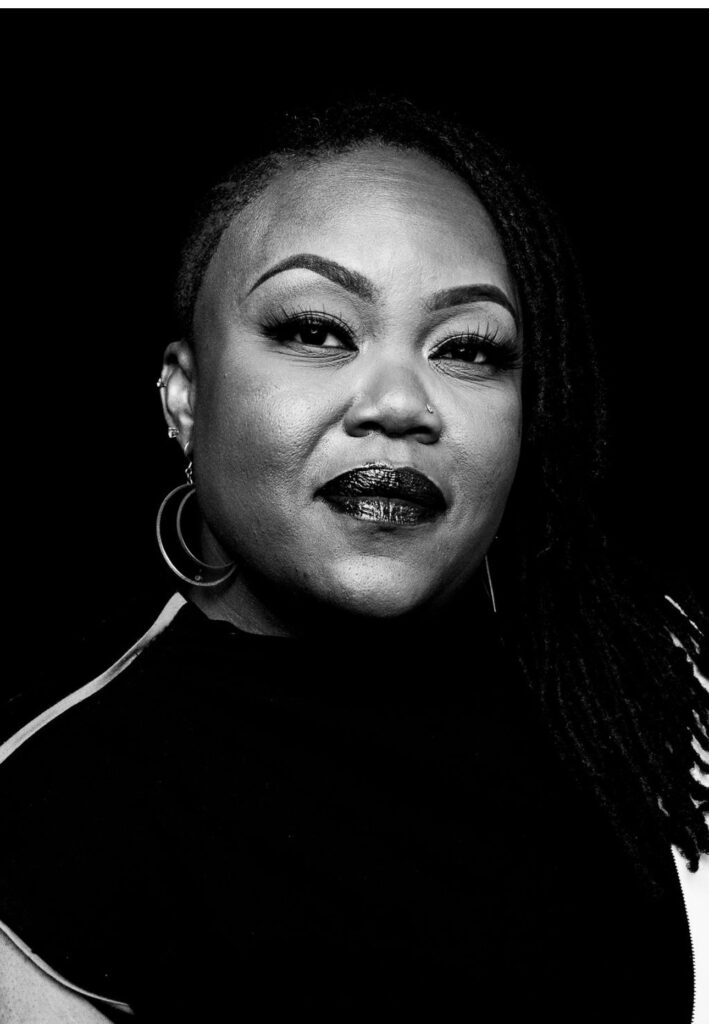
Welch taught at the university level for over 15 years and contributed to the development of Wayne State University’s Bachelor’s in Public Health Program. She created undergraduate and Master’s level public health courses on health equity topics. In addition, she lectured in the Women’s and Gender Studies Department at the University of Michigan. Welchs developed practicum courses on women’s leadership, nonprofit management, community engagement, and feminist practice. She explains her philosophy of love and how it impacts the strategies and decisions when launching maternal health initiatives.
Next, she delves into the challenges and rewards of building a birthing center through Birth Detroit. In addition, Welch explains what systematic changes in policy, finance, and public perception are critical to achieving the Beloved Birth 50 by 50 Campaign. Furthermore, she shares her insights and skills from national health organizations, the city, and the state levels, which impact her work at Birth Detroit and Birth Center Equity. Lastly, Welch reveals the unspoken truths about the U.S. maternal health crisis.
Could you explain how your philosophy of love translates into the strategies and decisions you make as a public health strategist and social entrepreneur when launching your maternal health initiatives?
I embrace Martin Luther King Jr.’s definition of love: an understanding, creative, and redemptive goodwill for all. I believe that love is a value, an action, a policy, and a way of being. My allegiance to love grounds my work, strategizing, and decision-making in genuine care for all people – not just the people who look like, think like, or act like me. It demands that I consider all people when crafting public health strategy—not as abstractions, but as whole human beings deserving of dignity, safety, and choice in how they bring life into this world.
When I’m asked about Birth Center Equity (BCE)’s focus on investing in Black, Indigenous, people of color-led birth centers, I share that BCE was founded in April 2020 to help people of color overcome the capital barriers to opening, operating, and sustaining birth centers. At that time, less than 5% of freestanding birth centers in the country were led by and focused on serving communities of color. My co-founder, Nashira Baril, and I sought to change this by building a network and infusing resources into communities of color that have been systematically denied access to capital and opportunity.
Studies show that birth center care improves outcomes, enhances the birth experience, is cost-effective, and, when rooted in racial justice, improves autonomy and respect for all people. In this way, community birth centers — birth centers where culturally relevant midwifery care is provided by midwives representative of the community the birthing person calls home — are a key source of innovation and leadership for the whole healthcare system.
This year, BCE launched Beloved Birth 50 by 50, our boldest initiative to date. Beloved Birth 50 By 50 is an invitation to an audacious goal that 50% of babies in the U.S. come into the world with the care of midwives by 2050. Grounded in a commitment to creating the future rather than submitting to the status quo and in an abundance of public health strategies and midwife care research, we aim to seed a transformation in birth culture for the benefit of our collective health and well-being.
Beloved birth culture is a birth culture that is family-centered, midwife-led with physician collaboration, community-held, and that honors the inherent value of all people. Beloved birth is a love letter to the future.
What are the challenges and rewards of building a birth center through Birth Detroit in and for a specific community, and how does that localized approach inform the national scale you envision with Birth Center Equity?
My Birth Detroit co-founders—Char’ly Snow, Elon Geffrard, and Nicole White—could each offer you individually curated lists of challenges and rewards, pages thick with lessons learned and scars earned. The biggest challenge for me has been building a birth center rooted in the values of safety, love, trust, and justice in a prevailing culture that does not hold them as moral and ethical priorities.
In a 2022 Journal of Perinatal & Neonatal Nursing article, “We Are Not Asking Permission to Save Our Own Lives: Black-Led Birth Centers to Address Health Inequities,” we shared our community organizing approach to birth center planning and development. With four founders at the helm and a commitment to shared values, we simultaneously prioritized: (1) community engagement through focus groups, surveys, and community conversations; (2) fundraising and development with a dedicated volunteer workgroup and committed capital campaign committee; (3) advocacy for state-level policies necessary to support access to midwifery care and birth center sustainability; and (4) responding to our community’s desire for midwifery care in the short term by establishing an easy access clinic in 2020 – all while planning for the birth center that would open in fall 2024.
Underlying our approach was a commitment to not ask permission, to be leaders in our own care, and not to give up. Many aspiring birth center leaders across the country share these commitments and face an uphill battle to create safe havens for birthing families in a healthcare financing and policy environment that does not support optimal birth care for families. As my recent article in Ms. Magazine explores, the systematic exclusion of midwifery care—particularly Black midwifery—from our healthcare system isn’t accidental. It’s intentional. So our work must be both deeply local and intentionally systemic.
Our vision in progress is a world where all people have the option to give birth in community birth centers designed in response to the hopes, dreams, and needs of the communities they call home. To make this vision a reality, we need to come together and harness our collective wisdom and most innovative strategies to access capital at scale, care for our communities, change policy, and transform culture – all at the same time.
What systematic changes in policy, finance, and public perception are critical to achieving the Beloved Birth 50 by 50 Campaign, and how does the campaign’s focus on Black midwife leadership drive these necessary shifts?
Critical to achieving the Beloved Birth 50 by 50 goal of 50% of babies in the U.S. coming into the world with the care of midwives by 2050 are six strategic pathways and changes that will reshape how we birth in America:
- Finance Midwifery – Make midwifery a top public and private financing priority.
- Grow Birth Centers – Today birth centers are the only healthcare facilities designed to center the midwifery model of care.
- Expand the Midwifery Workforce – Resource midwifery as the backbone of the birth care workforce.
- Center Midwifery in Integrated Care – Center midwifery as optimal birth care across all birth settings: hospital, birth center, and home.
- Strengthen Policies and Regulations – Guarantee that policies and regulations at federal, state, and local levels support midwifery care.
- Move Millions of Hearts and Minds – Create and share beloved birth stories, art, and culture that make community birth something familiar and understood by the public.
Black midwifery is at the heart of birth justice in the United States and is the inspiration for beloved birth culture. The leadership, mentorship and partnership of Black midwives has been an inspiration to me in my local and national work. The wisdom, resilience, and revolutionary care practices of Black midwives influence so many of us doing this work today – yet their expertise has been undermined and their praises have gone unsung for far too long.
Projects like the Birth Justice Origins Project, led by Southern Birth Justice Network and the National Black Midwives Alliance, make visible what has been deliberately obscured: that the birth justice movement is rooted in Black midwifery. The systematic dismantling of Black midwifery wasn’t about safety—it was about power, control, and the medical establishment’s desire to monopolize birth. When we center Black midwifery and the leadership of Black midwives, we’re not just correcting a historical wrong—we’re accessing the knowledge systems that can heal and liberate us all.

How do your insights and skills from national health organizations, city and state levels, and university-level teaching impact your current work as the co-founder of Birth Detroit and Birth Center Equity?
My multidisciplinary education in business administration, public health and women’s and gender studies, along with my professional background shape the lens through which I see this work. This lens, combined with my personal experiences with the joys and grief of pregnancy and birth, is precisely why I firmly believe that midwifery care and birth centers should be large-scale public health strategies to improve not only maternal health, but overall family well-being in the United States.
As a mother and a public health professional, I had the opportunity to see inequities in birth outcomes and care options firsthand at both personal and political levels — and, more importantly, to identify the gaps and opportunities. I learned to read data, yes, but also to read power and see how the distribution of financial resources shapes our health and futures. I came to understand how systems function, who they serve, and who they abandon.
This panoramic view—from national to local levels, from boardrooms to classrooms—helped me see how the pieces connect, how a state Medicaid policy shapes whether a birth center can survive, and how university curricula, from business schools to medical and nursing schools, ignore midwifery and privilege obstetrics. How public health schools either prepare or fail to prepare the next generation of maternal health leaders. How national conversations about maternal mortality mean nothing without local infrastructure to ensure not only survival but healthy and gentle beginnings.
What is one of the most unspoken truths about the U.S. maternal health crisis that needs to be brought to attention, and what hope do you offer to communities to make stronger, healthier, and birth options a reality for all?
The most unspoken truth is this: birth is not a medical emergency.
Upwards of 60% of us could safely give birth with midwives in a community setting. Yet since the 1920s, we have systematically moved birth out of the hands of midwives and communities and into the hands of physicians and hospitals, convincing the public that medicalized birth is safe birth. This shift was not driven by evidence—it was driven by economics, racism, and professional territorialism.
Continuing to approach birth this way goes against every ounce of data and research available today, which suggests that midwifery-led care is just as safe—or preferable—to physician-led care for normal physiological birth, which most of our births are.
With Beloved Birth 50 by 50, we seek to transform birth culture from a system that is physician-centric, physician-led, hospital-anchored, and rooted in hierarchies of human value, to one that is family-centered, midwife-led with physician collaboration, community-held, and that honors the inherent value of all people.
I believe beloved birth culture will create healthier and gentler futures for us all. This is the world we’re building, one birth center at a time, one policy change at a time, one story at a time. Join us at belovedbirth50by50.org and help us make safe, gentle, loving birth futures a reality.
Welch’s efforts are spreading the unspoken word of birthing options. Through birthing centers and collaborations that provide healthy, safe birthing opportunities, her focus on the leadership of Black midwives is being heard and is building community. With incredible knowledge in the healthcare space, she also earned her undergraduate degree in Women’s Studies and a Master’s in Public Health with a certificate in Women’s and Reproductive Health. Furthermore, Welch earned her Master’s in Business Administration from the University of Michigan and was an Aspen Institute Ascend Fellow. For more information on how to contribute and learn about both her organizations, visit https://www.birthdetroit.com/ or https://birthcenterequity.org/.
Related Articles: Carol’s Daughter Launches Birthing While Black Campaign for Year 3 of Black Maternal Health Initiative, “Love Delivered”, California Coalition for Black Birth Justice Advocates for Maternal Health