
( ENSPIRE Perspective ) Op-Ed By Minister Naquawn Hallback, CEO of Easy Living Shelter Inc.
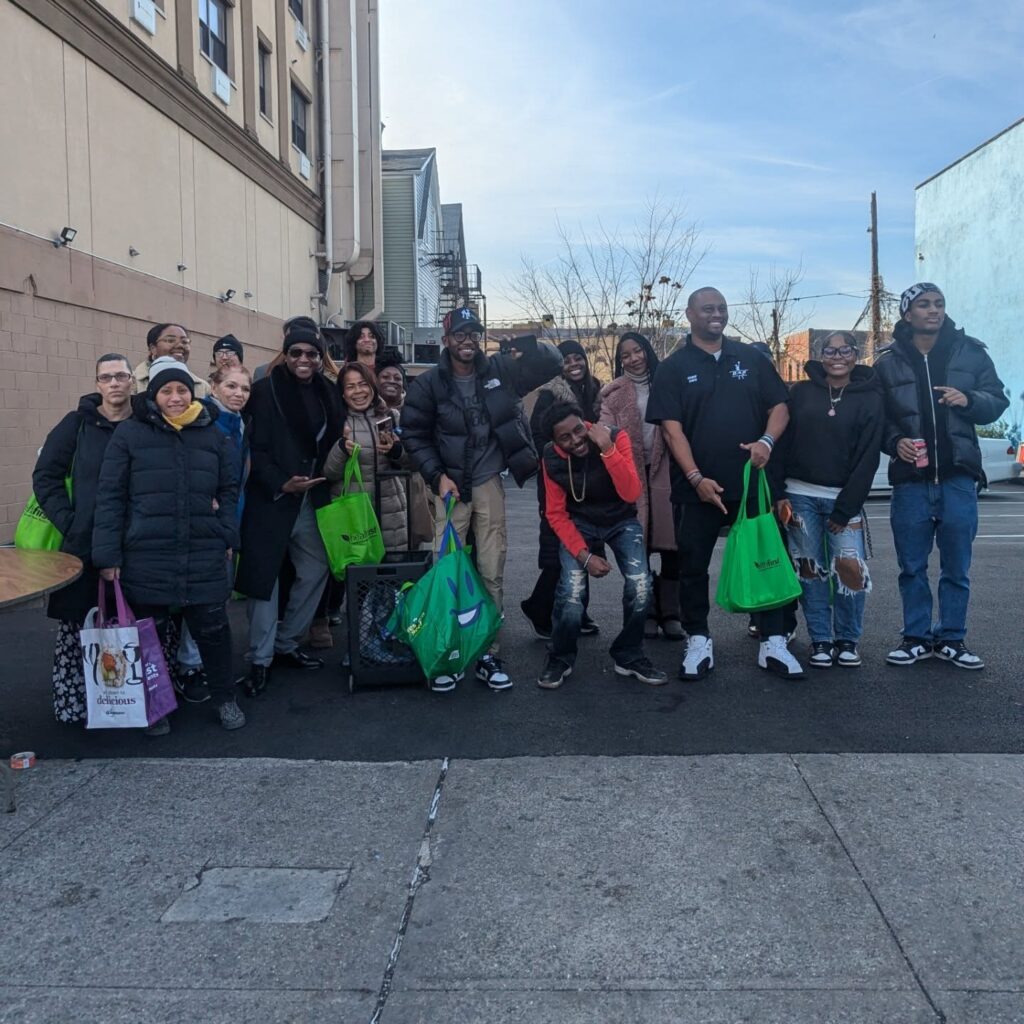
Minster Naquawn Hallback is the CEO of Easy Living Shelter Inc., a non-profit organization based in the Bronx, NY, that empowers youth and provides support services. In the Bronx and across New York, the fight against hunger is not theoretical — it is deeply personal. Every week, through Easy Living Shelter, we work with schools, churches, and food pantries to get fresh produce into the hands of families who need it most. For many of the young people and families we serve, these deliveries are not a convenience — they are a lifeline.
That’s why I am deeply concerned about the Packaging Reduction and Recycling Infrastructure Act currently under consideration in Albany. Like many New Yorkers, I believe in protecting our environment. We all want cleaner streets, less waste, and a more sustainable future. But this legislation, as written, risks making it harder — not easier — for organizations like mine to provide fresh, healthy food to underserved communities.
Fresh produce depends on packaging more than many people realize. Packaging is what keeps fruits and vegetables safe during transport, extends shelf life, and prevents spoilage before food reaches a pantry or a family’s table. Without reliable and affordable packaging, more food goes to waste before it can do any good.
The proposed law would impose sweeping packaging mandates and aggressive reduction targets that will increase costs throughout the supply chain. New compliance burdens will confront farmers, distributors, and suppliers, and these costs will inevitably be passed down. For nonprofits, that creates a serious problem.
We operate on limited budgets, often relying on donations, grants, and partnerships to serve as many people as possible. When the cost of food or packaging increases, we don’t have the option to simply raise prices. Instead, we are forced to make difficult choices: serve fewer families, reduce the amount of fresh food we distribute, or shift away from perishable, nutritious items altogether. That is not a tradeoff we should be asking nonprofits to make.
There is also the risk that certain products — especially fresh items — become harder to source altogether. If packaging requirements become too restrictive or expensive, suppliers may scale back or eliminate certain offerings. That means fewer fruits and vegetables available for distribution in the very communities that need them most.
When food insecurity remains a persistent challenge, particularly in low-income neighborhoods, we should be expanding access to fresh food — not creating new barriers.
The bill also fails to account for the operational realities of nonprofit work. Food distribution is often fast-paced and logistically complex. We rely on efficient packaging to sort, transport, and distribute large quantities of food quickly and safely. Adding layers of new requirements, costs, or restrictions will only slow that process down and reduce our ability to respond to community needs.
And let’s be clear: the communities most affected will be the ones already facing the greatest challenges. Families struggling with the rising cost of living, young people in need of stability and support, and neighborhoods working hard to overcome food insecurity will feel the impact first and most. Environmental progress should not come at the expense of feeding people.
There are better ways to achieve sustainability — investing in recycling infrastructure, supporting innovation in packaging, and working collaboratively with nonprofits and community organizations to find practical solutions. But this bill takes a rigid, one-size-fits-all approach that does not reflect the realities on the ground. At Easy Living Shelter, our mission is to uplift young people and strengthen our community. Food access is a critical part of that work. When families have access to fresh, healthy food, it supports better outcomes in education, health, and overall well-being.
We should be doing everything we can to support that mission — not unintentionally undermining it. I urge members of the New York State Legislature to take a closer look at the real-world consequences of this proposal and oppose the Packaging Reduction and Recycling Infrastructure Act in its current form. Our communities deserve solutions that protect both our environment and our people.
Related Articles: A Titan’s Legacy: Remembering Junior Bridgeman and His Profound Impact on Black Media, How to Combine Medical and Alternative Therapies Through Integrative Medicine