( ENSPIRE Health & Wellness) Students Use Service Learning to Combat Drug Challenges and Inspire Hope in Rural Communities
ENSPIRE Contributor: Kyla Chandler
Photo Credit: Kyla Chandler/Savannah State University/Muntaka Chasant
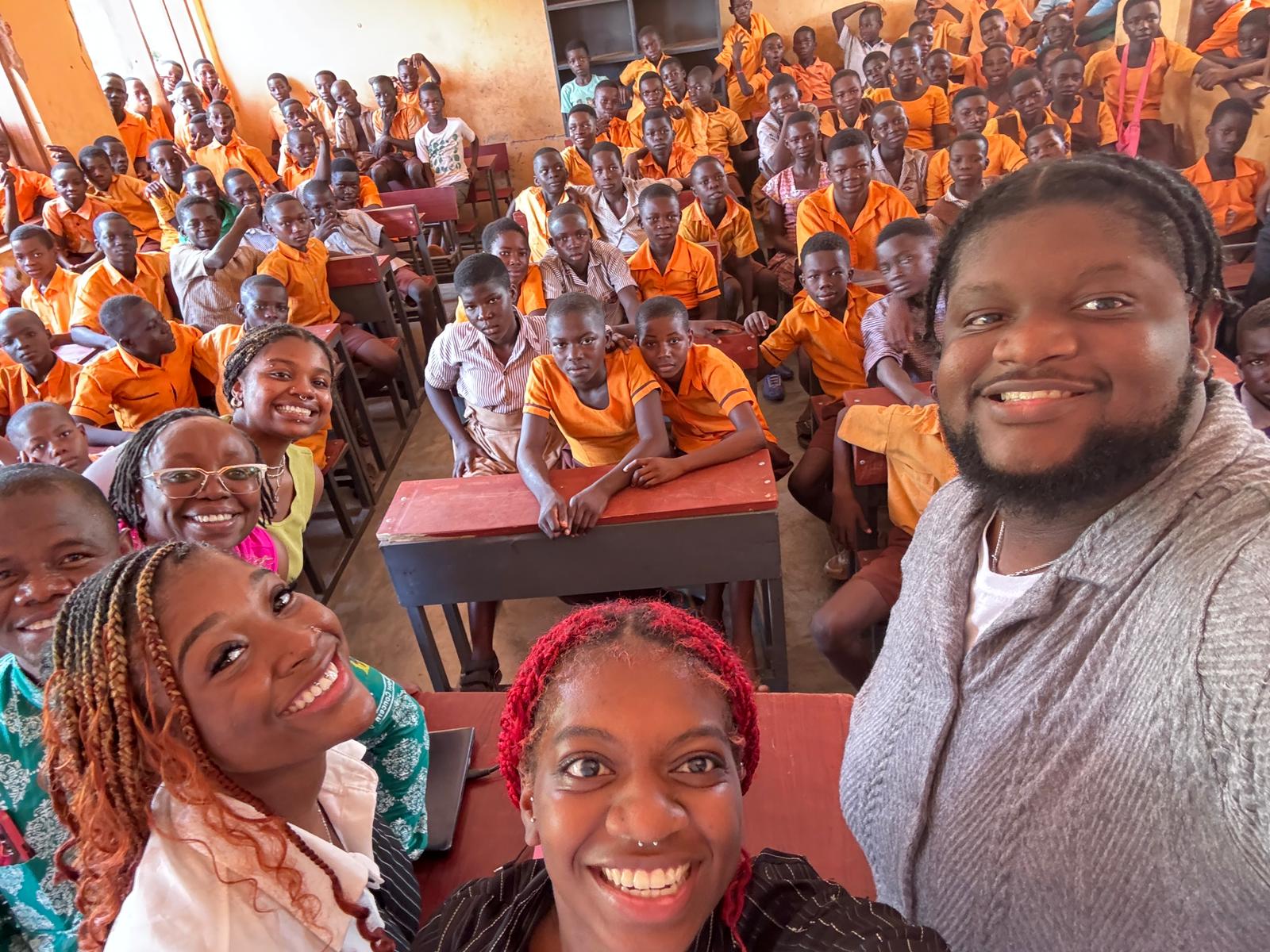
For most college students, the study abroad experience offers a combination of learning, sightseeing, culinary adventures, and cultural immersion. But for me and three of my fellow Savannah State University classmates, our trip to Ghana meant something much deeper. Our journey transcended education—it was about healing, connecting, and bringing hope to communities in need.
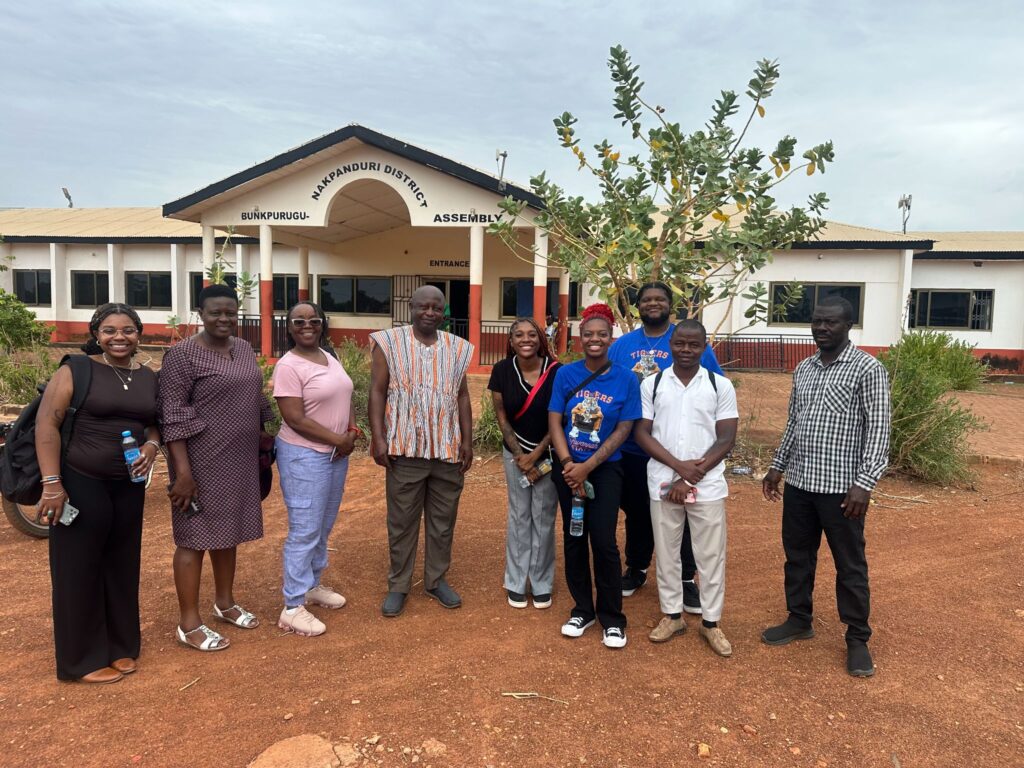
Savannah State University partnered with the Network for Rural Missions (NRM) to organize a four-week trip to Ghana alongside Dr. Roenia DeLoach, coordinator of SSU’s Master of Social Work Program. I traveled with Jessie Herbert, who, like me, is a mass communications senior; Kayleen Tarentine Hill, a biology senior; and Jamya Brundage, a sophomore studying middle grades education.
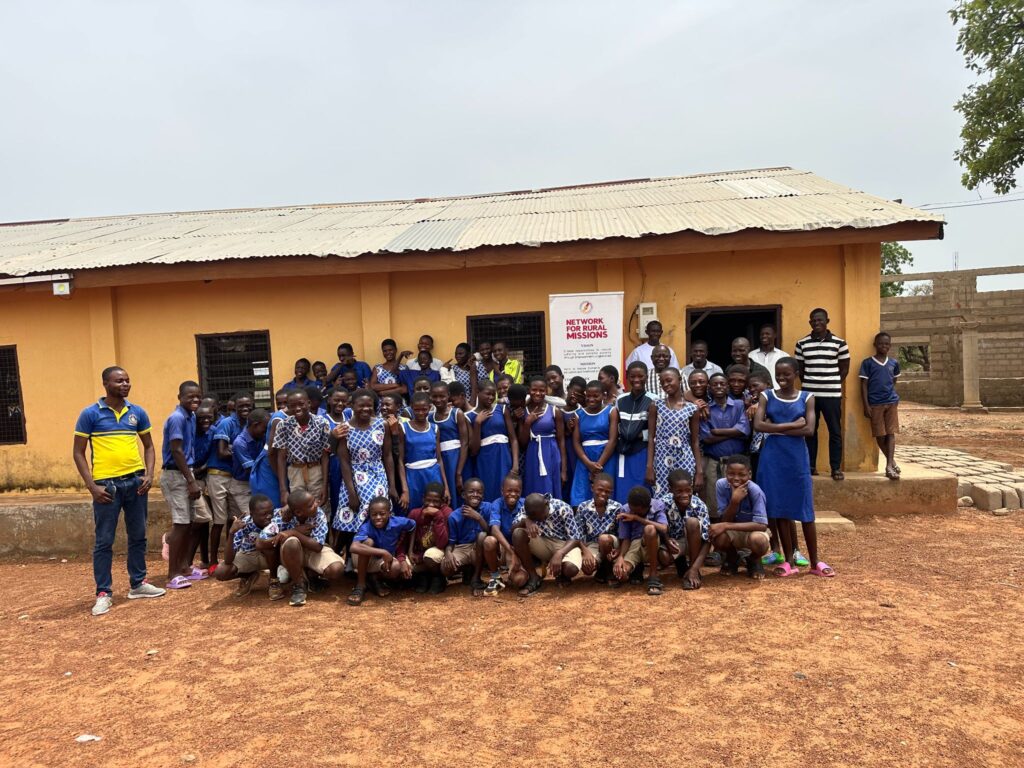
From the moment we arrived, we were immersed in rural villages, where we witnessed harsh realities and perspectives on life that were unlike anything we had seen before. One of the first things we learned was that children as young as five were already affected by substance abuse.
NRM’s mission is to inspire humanity through education and livelihood programs and to create opportunities that reduce human suffering and extreme poverty. Grace Combian, along with her two sisters, founded this organization to focus on helping northern Ghana’s overlooked and under-resourced communities.
“If we don’t start taking care of this, in the next five years, we may not have youth in the district,” Grace told us. “It is a big issue that we take seriously at the Network for Rural Missions.”
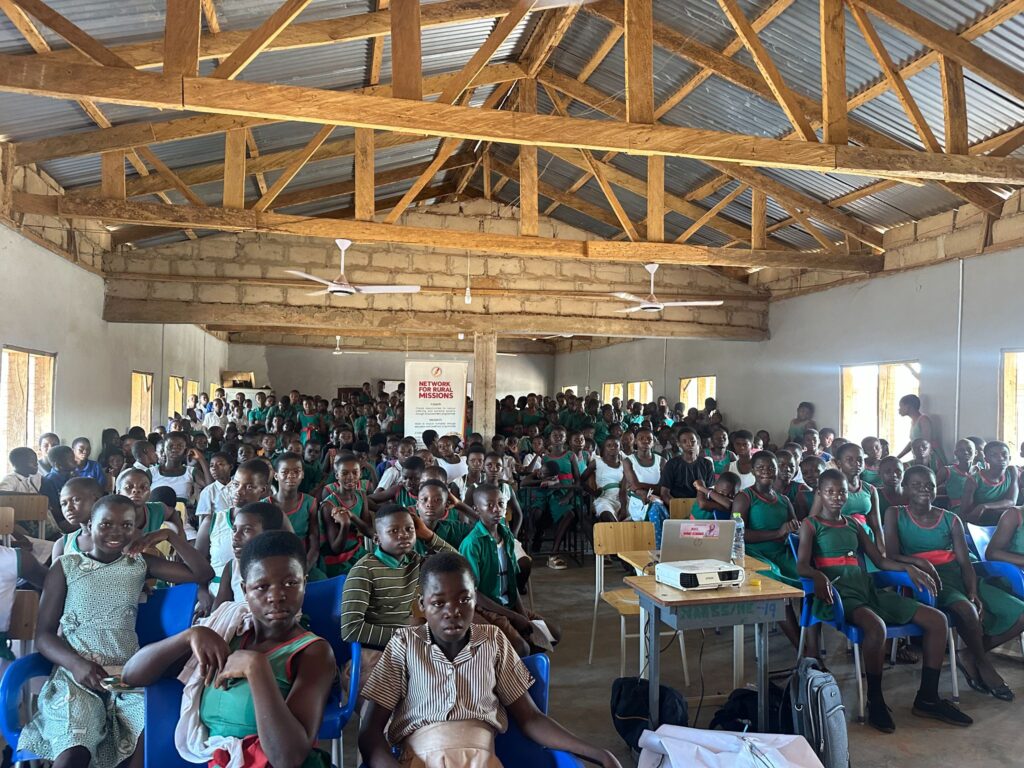
Throughout our stay, we assisted in community outreach and delivered education to support young people. We spent time building trust, bringing hope, and showing that there were other ways forward. Savannah State University took service learning to a new level—not just from a teaching standpoint, but by allowing us to put our education into practice and make a meaningful impact.
I remember when District Chief Executive Ali Joseph Lechir told us, “The people will not live past 30 years old. The conflict in the drug is that they move together. When they take the drug, they don’t care. They will see you as small and little.” His words stayed with me.
One mental health officer from Sudan said, “Grateful to work with Network for Rural Missions, we were able to cover up to six communities and talk to seven schools. Substance abuse in Nakpanduri is so high that we don’t want to sleep over it.”
When we spoke with students, many shared that they knew people who were using substances because of peer pressure, curiosity, and a lack of guidance at home. Some explained that being born out of wedlock often meant growing up without someone to advise you or steer you in the right direction. We saw firsthand how poverty and the absence of positive role models shaped these young people’s lives.
“Substance abuse is not good for us to be abusing. Substance abuse can lead to death and has caused us many things. It can lead to school dropout,” Demore Christina, a student from Kingdom Stars Junior High School, told us.
We each used our majors to inspire and show students the possibilities that exist beyond their immediate circumstances. Whether it was through communications, biology, education, or social work, we demonstrated practical skills and shared what we had learned back home. We hoped our presence would help the students envision careers and opportunities they had never considered.
One teacher, Mohammed Addrhdmad from Kpedze Senior High School, said, “We are more than grateful for the mental health specialists in this area. We have been battling substance abuse in this school. You will find some substance abuse on the grounds of the school. Substance is not good to abuse, but for most students, it’s hard for them to control it.”
Our journey didn’t end when we returned to the United States. What we experienced in Ghana left an imprint on each of us—an imprint that will stay with me for the rest of my life. We didn’t just learn; we connected, we healed, and we served.
Related Articles: Smiles for Speech Announces Project Ghana: Empowering Caregivers and Transforming LivesWhen Mental Illness Hits Home: Supporting Yourself and Your Loved Ones