
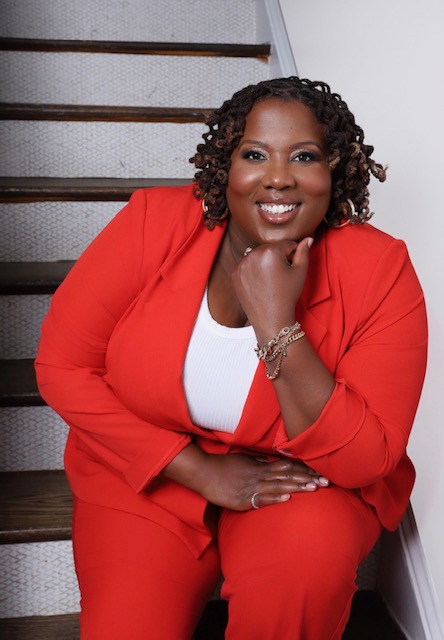
( ENSPIRE Health & Wellness ) Dr. Shareefah Secured Over $3 Million In Grant Funding For Mental Health Disparities
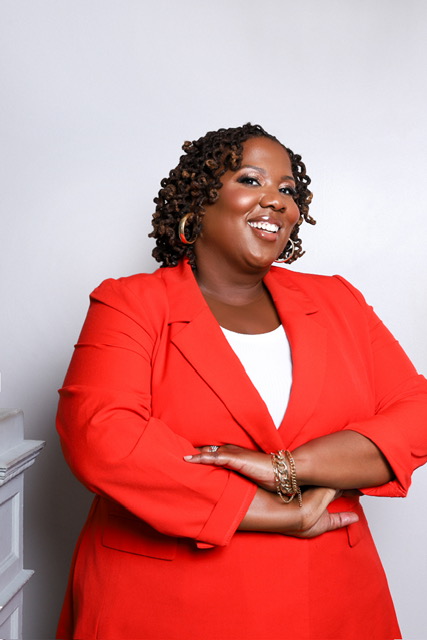
Dr. Shareefah N. Al’Uqdah is a licensed clinical psychologist who supports minority and underserved communities with their mental health. She is an Associate Professor at Howard University and the Founder and CEO of Your Neighborhood Clinic, a nonprofit dedicated to competent mental health care. Mental health is important for all ages and affects all stages of life. Around school time, many mental health disparities occur for all ages who are in educational transitions. Not only does Dr. Shareefah have professional psychological expertise, but she also has personal experience as a wife, mother of four, and stepmom, a relatable voice for families and educators nationwide. She has the tools to help navigate family dynamics, big milestones, and educational changes.
Dr. Shareefah describes the emotional impact of school transitions for all ages and the strategies Your Neighborhood Clinic offers. In addition, she explains the community programs and how crucial they are for culturally responsive mental health care. Furthermore, she offers tips for parents and caregivers to support children’s mental health and highlights her work with blended families and coparents during educational transitions. Lastly, Dr. Shareefah explains how educational institutions cultivate emotional well-being for students and the unique approaches for the Your Neighborhood Clinic consultation and psychological services.
Describe the emotional impact of school transitions for children, teens, and adults. What strategies do you offer through Your Neighborhood Clinic to anyone who feels anxious, stressed, and socially pressured during back-to-school?
School transitions can create a lot of anxiety in students of all ages. They may worry about what is expected of them or how they will fit in. Students may have concerns about maintaining and creating new friendships as well. At YNC, we provide students who are facing challenges with transition therapy and/or assessments. We work with them to explore their specific concerns and determine which treatment approaches may best help them with the transition. Some clients may need help developing social skills, like learning how to make new friends, while others may need help with organization. We really take it on a person-by-person basis.
You continue to offer mental health support to minority and underserved communities. Please explain your community programs and their impact, as well as how they are crucial for culturally responsive mental health care.
One of our community programs is providing various workshops. Each year, we take on doctoral-level trainees who develop specific workshops to help communities navigate various aspects of wellness. We also have a blog that shares general mental health tips. I think increasing knowledge and basic mental health 101 skills is helpful to all communities because when people know better, they not only do better but also feel better.
What are your tips for parents and caregivers to support their children’s mental health, and how do you navigate working with blended families and co-parents during school transitions?
Blended families and coparents really need to keep the child centered. Thus, I encourage them to make transitions easy for the child. It’s okay if they have multiple items at each parent’s house if that makes going back to school easier. Coparents should be on email listservs for the school to ensure that both parents know about important school events. They shouldn’t burden one parent or the child to communicate essential school information. Coparents should also make school fun and child-centered. Thus, don’t communicate about the business of coparenting (child support, visitation, etc) while at school. The child wants school to be their “work environment;” thus, if you wouldn’t discuss certain things at your job, your child doesn’t want you to discuss them at their job.
How can educators and institutions cultivate emotional well-being for students of any age?
Schools are a big place with a lot of people who have to meet the needs of people within the building (students, teachers, and administrators) and out of the building (parents, politicians, and the general public). It is a daunting task!! Thus, educators and institutions have to center on individual wellness. Educators have to develop their own wellness plan and utilize it. Institutions have to create policies that promote individual and collective wellness. Some research suggests that promoting educator agency helps promote teacher and student wellness. Thus, when educators are able to shape policy and actions within their school, they and their students perform and feel better.

What are the unique approaches at Your Neighborhood Clinic’s psychological services and consultation services?
At Your Neighborhood Clinic, our work is guided by the belief that true healing is possible and everyone deserves wellness. Every service we provide is grounded in evidence-based practices, from cognitive-behavioral and trauma-informed therapies to multicultural counseling and family systems approaches. Just as importantly, we draw from the field of educational psychology, using insights from developmental theory and learning science to help clients build resilience, strengthen skills, and create lasting change. This unique integration of psychology, culture, and education allows us to go beyond treatment. We not only support individuals, families, and organizations through life’s challenges but also empower them with tools for growth, learning, and success at every stage. Whether we are working with children, adults, schools, or community organizations, our approach ensures that care is compassionate, culturally responsive, and grounded in research that makes a real difference.
Dr. Shareefah is spreading awareness on mental health in educational environments nationwide. She has led international workshops and published research on urban families and schools. Furthermore, she has secured over $3 million in grant funding for mental health disparities. For more information on how to book a consultation or psychological services, visit Dr.Shareefah.com or Your Neighborhood Clinic. Visit Dr. Shareefah’s Instagram for further updates.
Related Articles: Taneka Walker’s Insights on Reclaiming Confidence through Stress Management, Kristine Genovese: Creator of The Soul Intelligence® Method Teaches Energy Release Holistic Practices