

( ENSPIRE Lifestyle ) Transforming Your Living Environment Through Innovative Modern Window Design
Openness, clarity, and seamless connection shape modern architecture between spaces. Nowhere is this more evident than in the evolution of window design. Today’s windows are no longer simple openings for light and ventilation. They’re architectural statements that transform how a building looks, feels, and functions.
They elevate interiors, frame views, shape atmosphere, and help homes feel more inspiring every single day. Understanding how modern window design influences the built environment reveals why families, designers, and architects are embracing these innovations with such enthusiasm. Light has an immediate effect on mood, energy, and comfort. Modern windows are designed to welcome more of it into the home. Instead of small, segmented frames, architects now often favour wide glazing, slim profiles, and uninterrupted views that let daylight reach deeper into interior spaces.
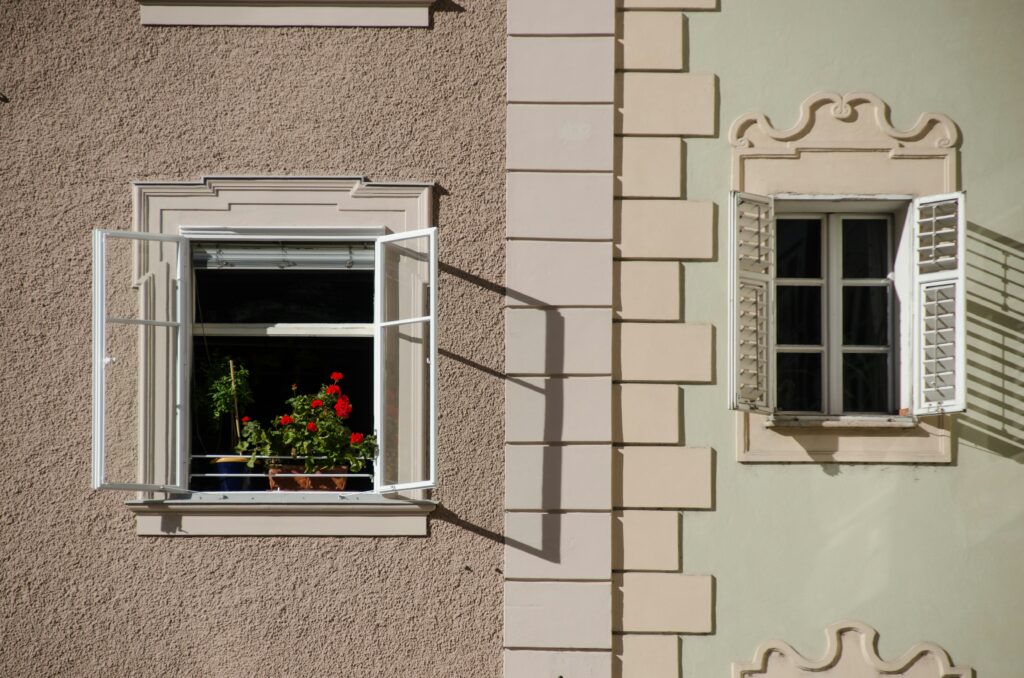
This shift has a powerful emotional impact. Rooms feel brighter, larger, and more uplifting. Natural light softens the edges of daily life and creates a sense of calm that artificial lighting simply cannot replicate. Older window designs often relied on bulky frames that interrupted sightlines. Modern materials and engineering allow for much slimmer profiles, creating a clean, minimalist look that enhances both exterior architecture and interior style.
The result is elegance through simplicity. Lines feel sharper. Views feel clearer. Homes feel more thoughtfully crafted. This modern refinement is one reason homeowners increasingly opt for solutions like NOW Aluminium bifold windows, which combine structure and beauty in one seamless frame.
Today’s architecture celebrates connection to nature. Modern window design supports this by reducing visual boundaries. Large panes, clever folding systems, and expansive openings blur the line between home and garden, allowing families to transition effortlessly between the two. This fluidity encourages healthier living, more relaxation, and a deeper sense of belonging within the home environment. It’s an update that elevates both lifestyle and design.
One of the most valuable qualities of modern windows is their ability to make rooms feel significantly larger, even when the home’s footprint stays the same. By opening up sightlines, reducing shadow, and inviting the outdoors in, windows create an impression of space that enhances every room they touch. Small lounges feel expansive. Kitchens feel more inviting. Bedrooms become bright, restful
havens. It’s a transformation through perception, not construction.
Windows act as frames for the world outside, but they also highlight the structure within. Sunlight reveals textures, emphasises colours, and draws attention to the architectural shapes that give a home its character. Modern window design helps these features shine. A well-placed window can turn a simple wall into a focal point, or a corner space into a favourite reading spot. When architecture and natural light work together, interiors gain depth and personality.
Modern window systems aren’t just beautiful; they’re practical. Advances in glazing and frame technology have dramatically improved thermal performance, making contemporary windows far more energy efficient than older designs. This means better temperature control, reduced energy bills, and a home that feels comfortable in every season. Thoughtful window design supports sustainability while enhancing everyday living.
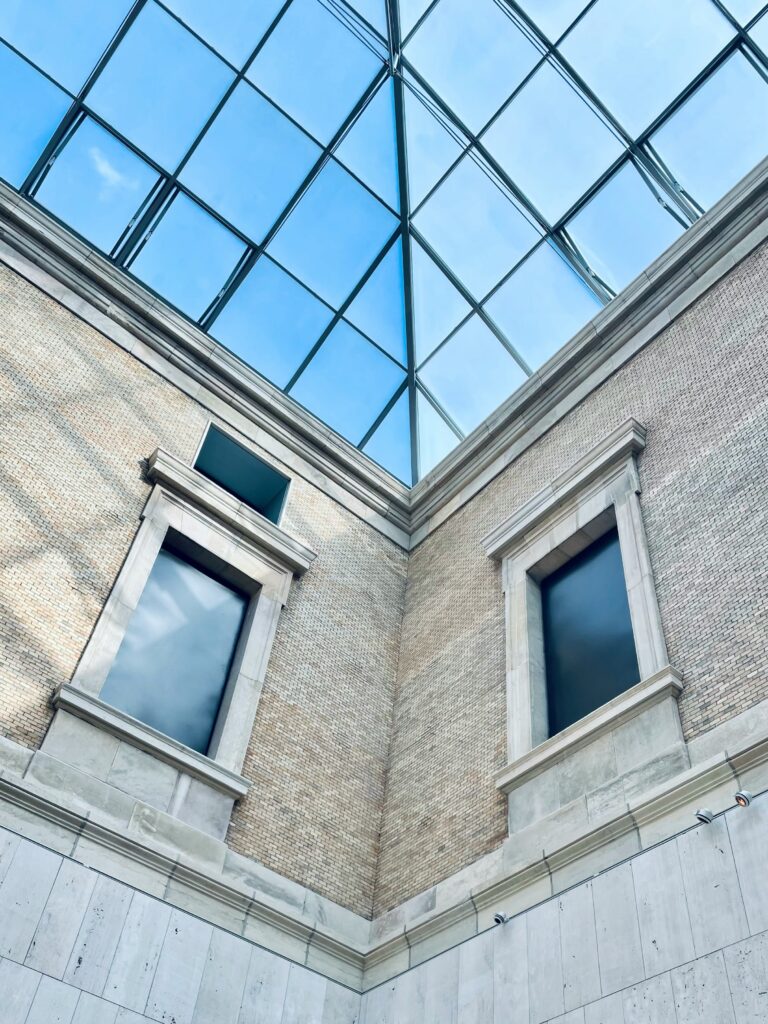
As families look for spaces that support modern life, window design has become a key strategic choice. It shapes how people connect, how they relax, how they work, and how they spend time together. Modern windows help create homes that are forward-looking, adaptable, and ready for the rhythm of contemporary living.
Modern window design elevates architecture because it does more than complement a building; it transforms it. It brings clarity, light, and beauty into everyday spaces. It strengthens the bond between indoors and outdoors. It enhances well-being.
Related Articles: Inclusive Interior Design Expert Focuses on Mental-Health and Designs Spaces for Neurodiversity