( ENSPIRE Community Spotlight ) A Pastor and Activist Reflects on Black History, Leadership, and Progress Beyond February
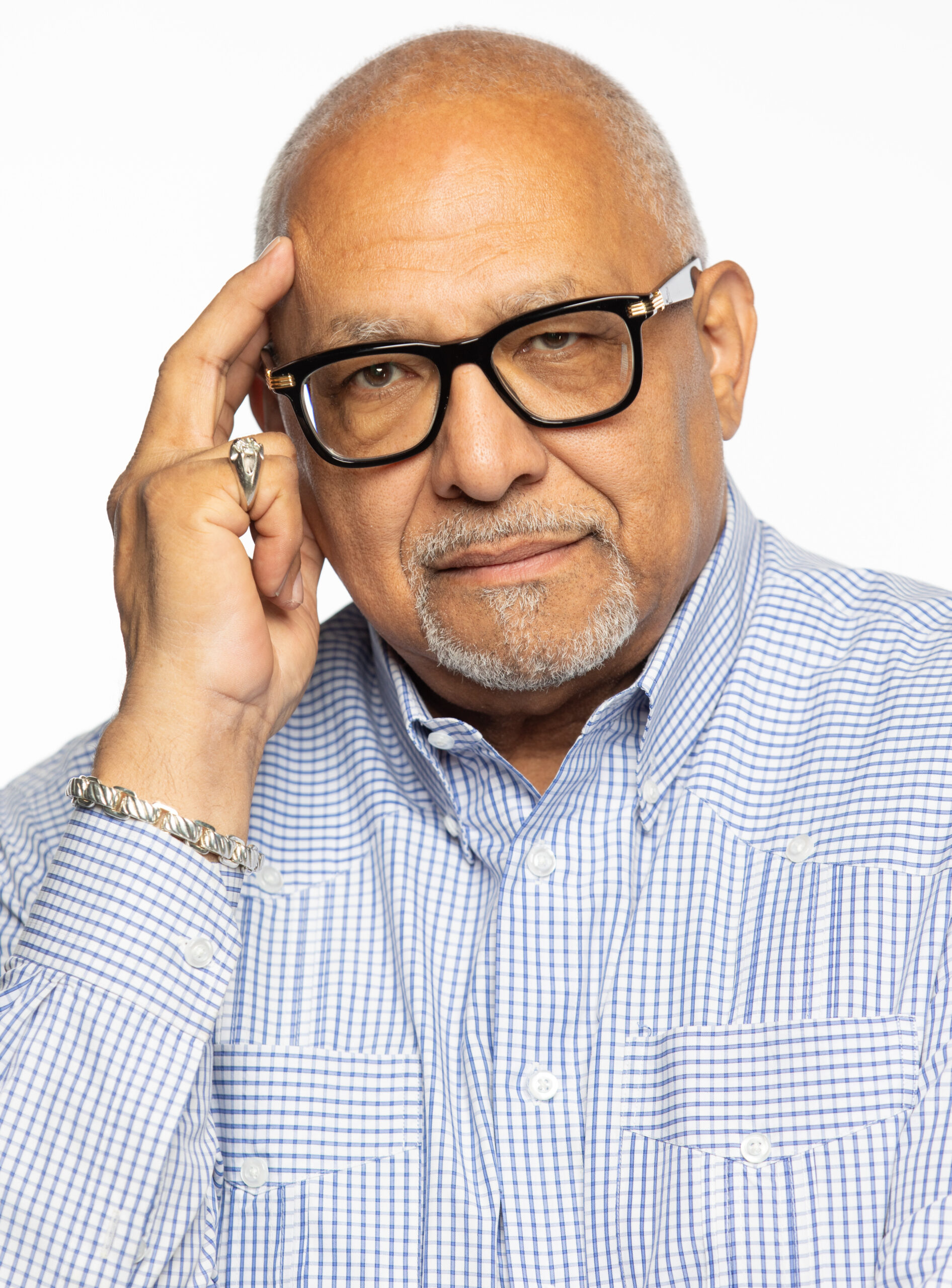
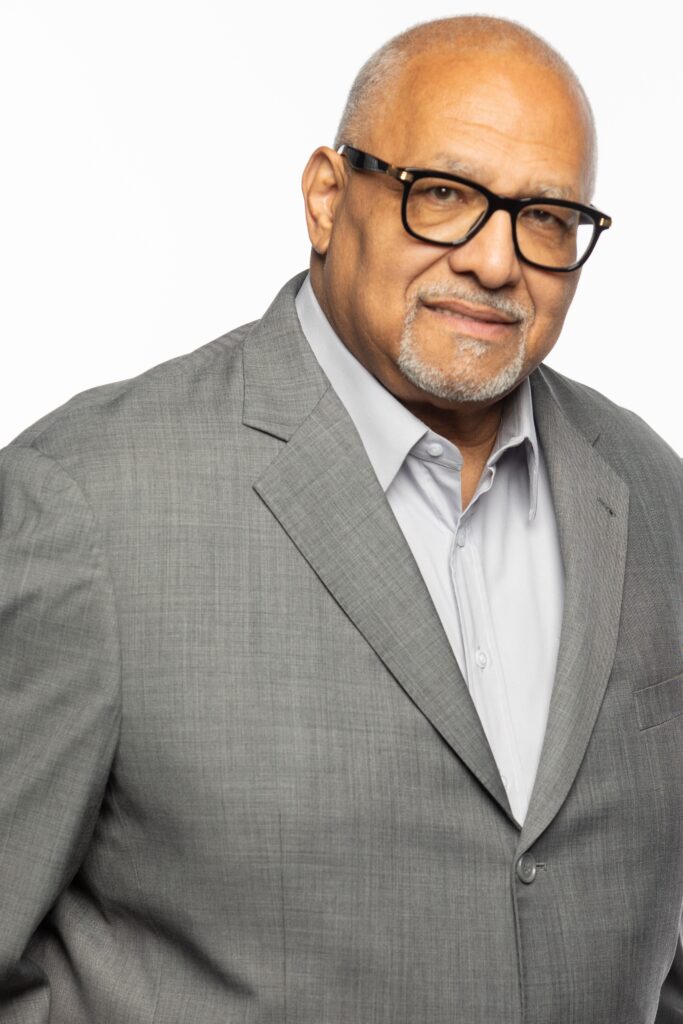
As conversations sparked during Black History Month continue into the rest of the year, leaders across faith, activism, and media are asking a deeper question: How do we move from remembrance to sustained progress? For Horace L. Sheffield III, the answer lies in persistence, spiritual discipline, and collective action. A longtime pastor, social activist, author, and media personality, Sheffield has spent decades advocating for social justice and community empowerment while encouraging individuals to anchor their leadership in faith.
From collaborating with the daughters of civil rights icons to writing daily meditations designed to strengthen personal resilience, Sheffield’s work centers on a powerful theme: the courage to persevere when the path forward is uncertain. Throughout his career, Sheffield has worked alongside the daughters of two of the most influential figures in American history—Dr. Martin Luther King Jr. and Malcolm X. Those collaborations offered a firsthand perspective on the complexities of legacy and leadership.
“There will only be one Martin Luther King Jr. or Malcolm X,” Sheffield explains. “Yet their own talents often measured their children not by comparisons to their famous fathers.” Despite those challenges, Sheffield recalls the experience of building something meaningful together. He helped co-found the theatrical company Nucleus, Inc., which toured the country performing productions that focused on messages of hope and empowerment for young people.
“Our most notable production, Stepping Into Tomorrow, allowed us to travel across the country sharing positive messages of triumph over trial and hope over despair,” he says. “That was a wonderful time in my life.” For Sheffield, honoring legacy is not about replicating the past—it’s about carrying its lessons forward while creating new pathways for the next generation.
As someone who studied history and admires the work of historian Carter G. Woodson, Sheffield views historical reflection as more than a yearly tradition—it is a blueprint for action.
“Black history reminds us of what we had to overcome,” he says. “Ordinary people, often with far less than what we possess today, challenged slavery, oppression, and discrimination.” One of the most overlooked lessons from that history, he believes, is the power of a committed few. “It does not take masses of people to create and sustain a movement,” Sheffield explains. “It simply takes a few people who have had enough and are prepared to sacrifice everything to see change happen.”
In moments of cultural tension or uncertainty, Sheffield believes faith plays a vital role in sustaining effective leadership. “Faith enables me to see what may be obscured presently,” he says. “Even when something appears powerful or permanent, faith reminds me that if I persevere, what is best can ultimately prevail.”
That mindset also shaped his book, A Good Word for a Better Life: A Compilation of Daily Meditations, which focuses on the importance of spiritual discipline and personal encouragement. Sheffield says he wrote the book after realizing how easily outside voices—both positive and negative—can influence a person’s mindset. “I discovered long ago that what people say can persuade, dissuade, or discourage you,” he explains. “So I concluded that I needed a ‘good word’ to have a better life.” For leaders navigating uncertainty, he believes cultivating that inner source of strength is essential.
“If we are going to lead anyone anywhere,” Sheffield says, “we must know where our strength and encouragement come from.”
While February serves as a moment of reflection, Sheffield believes the true measure of Black excellence lies in what happens throughout the rest of the year. One of the initiatives he is currently working on is the creation of the National Association of Black Organizations, an effort aimed at building a stronger infrastructure for collective economic power. The goal, he explains, is to bring organizations together to “create and institutionalize infrastructure to build power and wealth for the Black community.”
For Sheffield, honoring history is only the beginning. The real challenge—and opportunity—is transforming its lessons into action that lasts far beyond a single month. As he sees it, the future of progress rests on the same qualities that have carried generations forward before: faith, perseverance, and the willingness to keep moving forward, no matter the obstacles.
Related Articles: A Sanctuary for Art: How Daya Yoga Studio Builds Strong Community