( ENSPIRE She Did That ) Spratling Founded Girl Plus Environment Nonprofit
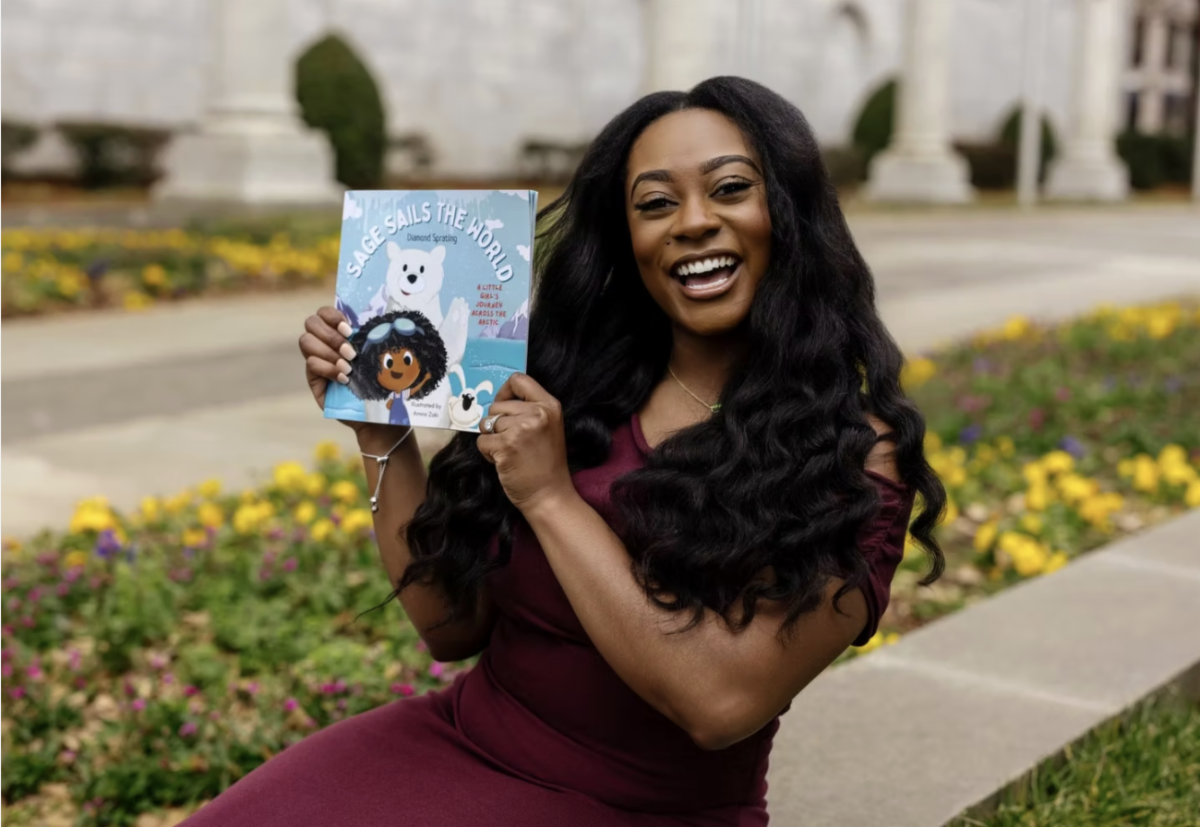
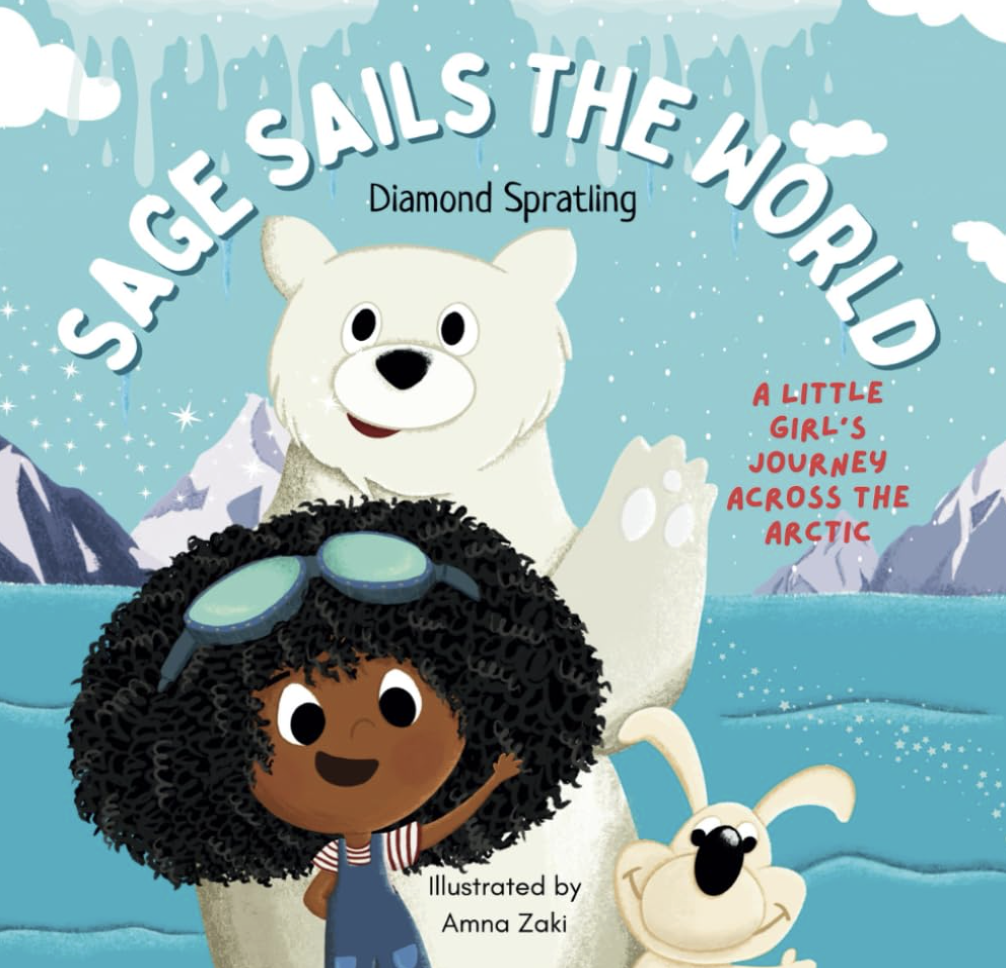
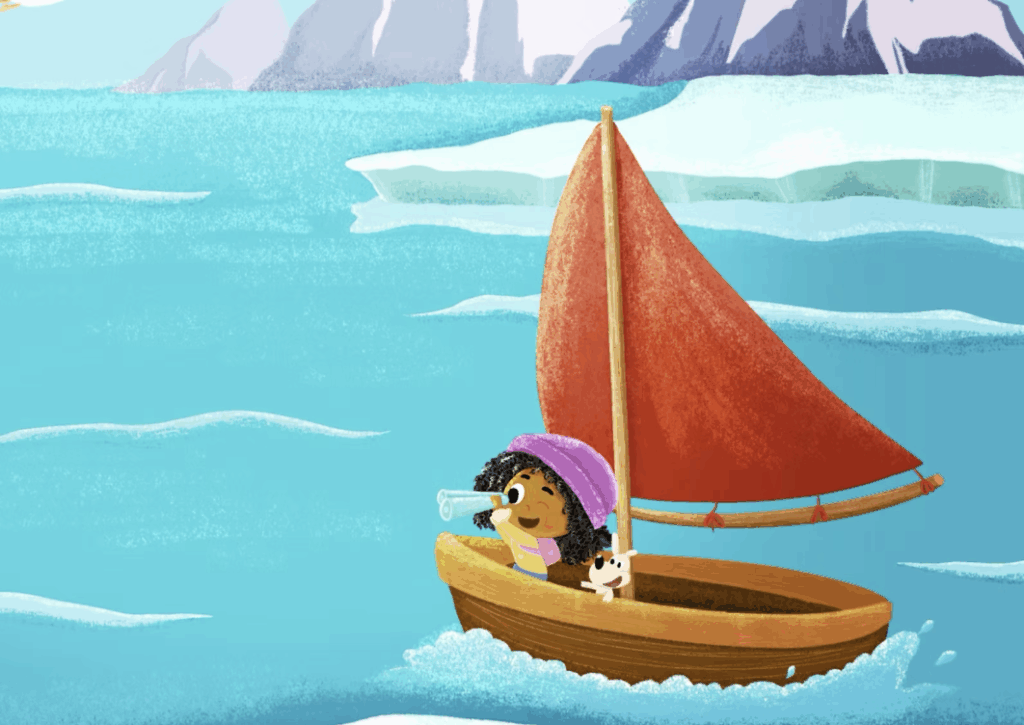
Diamond Spratling is an Award-winning Climate DisruptHer who is releasing the children’s book “Sage Sails the World,” inspired by climate change. Illustrated by Amna Zaki, “Sage Sails the World” is about a young girl named Sage going on a journey with her dog Benji to the South Pole, where they meet new friends along the way who rally together to protect the polar bears from the danger of climate change. It is heartfelt, adventurous, and empowering with an environmental message for young readers. She is the Founder of Girl Plus Environment, a nonprofit all about getting Black and Brown Millennial and Gen Z girlies all fired up about climate and environmental justice! Spratling has raised $800K+ for programs ranging from mutual aid to leadership development and has sparked conversations with youths in classrooms and beyond through her TEDx speaking engagements. She has also partnered with the World Health Organization (WHO), California Air Resources Board, SoCalGas, and the CDC on community engagement initiatives.
Spratling shares her efforts to raise awareness about environmental wellness. In addition, she describes her writing process of “Sage Sails the World” and how to simplify the story to educate youths. She delves into the initiatives Girl Plus Environment does for the community and how she inspires Black and Brown individuals and LGBTQ youths. She follows up on her process for public speaking and gets to the topic of climate change. Lastly, Spratling provides a guide to getting involved in environmental awareness and climate change advocacy through small actions in our daily lives.
When did your pursuit of raising awareness and advocacy for environmental wellness and climate change start?
My journey to raise awareness really started in college. I had already been studying environmental policy, but I can’t say I was actively educating my peers about it until my sophomore year. That’s when I got an internship that made everything click. It was my first introduction to how our environments and health are connected, especially in Black and Brown communities like the one I grew up in on the west side of Detroit. That internship taught me that protecting the environment isn’t just the right thing to do; it’s essential because our lives and health depend on it.
During that internship, I learned how air pollution was triggering asthma attacks in kids living near industrial sites. Many of these children lived within a mile of those facilities. Learning that information hit me hard because I could think of at least ten kids that I grew up with who had asthma. Making that connection between health, access to healthcare, and the financial strain of hospital bills versus paying a mortgage or putting food on the table made me realize how deep environmental justice really goes. That’s when I knew I had to speak up and do something. It wasn’t a normalized conversation in my community, and that moment completely shifted my path. It was the beginning of what would become my nonprofit, Girl Plus Environment.
What is your writing process for “Sage Sails the World,” and how do you make the topic of environmental and climate change digestible for a younger audience?
When I began writing Sage Sails the World, I thought back to how I would have wanted to learn about climate action as a little girl. The inspiration came from one of my earliest memories of learning about climate change. I was watching TV and saw a commercial about saving polar bears. I remember feeling sad that they were losing their homes because the ice was melting, but I also remember the commercial giving actions I could take. That balance —teaching kids about the problem while also giving them something they can do —became the heart of my approach. Climate change isn’t easy to explain to young kids, but it’s important. My goal is to make it feel natural and engaging. I focus on elements of the Earth that they already know. They understand the sun, the seasons, animals, and right versus wrong. By connecting the topic to things they already experience —like cold weather, pets, and caring for the planet —I’m not teaching a science lesson so much as a life lesson about doing what’s right.
Through what initiatives or events did you do for your nonprofit Girl Plus Environment, and what methods have you used to inspire Black and Brown women, Nonbinary people, and LGBTQ+ youths to get involved and spread environmental awareness?
Girl Plus Environment centers everything around culture, community, and digital communication. It grew out of my desire to shift the narrative of what it means and looks like to be an environmentalist. I want Black and Brown women to know there’s space for us in this movement and that we should be leading it because it impacts us daily. Our approach is to normalize conversations and actions that improve the health and vibrancy of our communities. We run digital media campaigns that bring Black culture into environmental conversations. One example is our “Cowboy Carter x Climate Justice” campaign, which highlighted the connection between access to farmland and climate justice, the impact on Black farmers, and what people can do to support them. We also have a membership of over 700 Black and Brown women across 35 states. Members participate in local actions like signing petitions, submitting public comments to lower energy bills, attending hearings, and speaking with their representatives about clean energy.
We recently hosted a women’s brunch in Atlanta to educate participants about public service commissioners and how they regulate utility costs. We’ve also partnered with organizations like GirlTrek for events such as the “Hot Girl Climate Walk” along Atlanta’s BeltLine, where we talked about environmental justice in a fun, accessible way. In addition to these events, we help women grow as leaders in the climate movement through our advocacy leadership training program. Participants receive stipends and participate in a six-month program where they learn to mobilize their communities, then receive funding to launch their own projects.
What is your process when preparing for public speaking events, such as TEDx Talks? What is the strategy to help get your points across regarding climate change?
No matter how many years I’ve been speaking or how many talks I’ve given, I still get anxious before every single event. I want to name that because it’s completely natural. But once I’m on stage talking about something I care so deeply about, that anxiety starts to fade away. I used to be afraid of public speaking as a kid. My mom was amazing at it, but I didn’t feel confident. Eventually, I realized I needed to get comfortable speaking in front of people because I knew I had something important to share. I started taking public speaking classes in high school, volunteered for presentations, and began sharing my research. Over time, I started being invited to speak at larger platforms, including United Nations conferences in Egypt and Dubai, and TEDx events around the world.
My main strategy when talking about climate change is to avoid doom and gloom. I don’t overwhelm audiences with numbers or make it sound hopeless. Instead, I focus on how climate change affects our everyday lives, our health, jobs, food access, and families, and what we can do to advocate for our communities. For example, I talk about asthma attacks being triggered by polluted air, Black women being exposed to toxic chemicals that affect maternal health, or shorter farming seasons that make food less accessible in our communities that are already scarce for food. These are all real impacts that people can relate to. My goal is to help people see that climate change touches every aspect of our lives and that there’s power in taking action.
What are some first steps toward understanding what is happening with the environment and how we can raise awareness of the issue in our everyday lives and in educational institutions?
One of the easiest first steps is to get connected with organizations like Girl Plus Environment. Even following us on social media is a great start. We share information in ways that are rooted in culture, trends, and everyday life, especially for Black and Brown communities. Our content is fun, relatable, and easy to digest. For example, we once ran a campaign inspired by Mean Girls and “the Plastics,” using that theme to discuss microplastics found in personal and beauty products that are disproportionately marketed to Black women. That’s how we make environmental topics approachable while still sharing meaningful information and clear action steps.
However, raising awareness shouldn’t stop with you. Once you learn something, share it with your community because their health and well-being matter too. You can start small by signing petitions on our website, having conversations with friends over coffee about how to make your neighborhood healthier, or learning who your local representatives are and holding them accountable. Small actions build momentum, and when people feel informed and empowered, that’s how durable power is built.
Diamond Spratling is an inspiration for those who are environmentally conscious and are learning to spread awareness about climate change. Her words are educating youths about the environment, and Spratling has spoken at the United Nations, Microsoft, Columbia, MIT, and the World Resources Institute. She is recognized as a Tom’s of Maine Incubator Awardee, 1Hotels Fellow, and Aspen Institute Future Leader Climate Fellow. She Spratling has been featured in NPR, “Essence Magazine Inc.,” “Black Enterprise,” “Yale Climate Connections,” “The Bitter Southerner,” and, most recently, in “Afrotech” and “Rolling Out” (Op-Ed on Hurricane Katrina). For more information on how to spread awareness of climate change, visit https://www.diamondspratling.com/ or follow Spratling on Instagram.
Related Articles: April Fore Brings Awareness to Turner Syndrome With Children’s Book The Adventures of E.G.G., Afro-Latina Author Yesenia Moises is Set to Launch “Sounds Like Joy” Children’s Book