
( ENSPIRE Health & Wellness ) Kasia Dodd Releases Upcoming Book “The Chameleon’s Game”
ENSPIRE Contributor: Gabrielle Maya
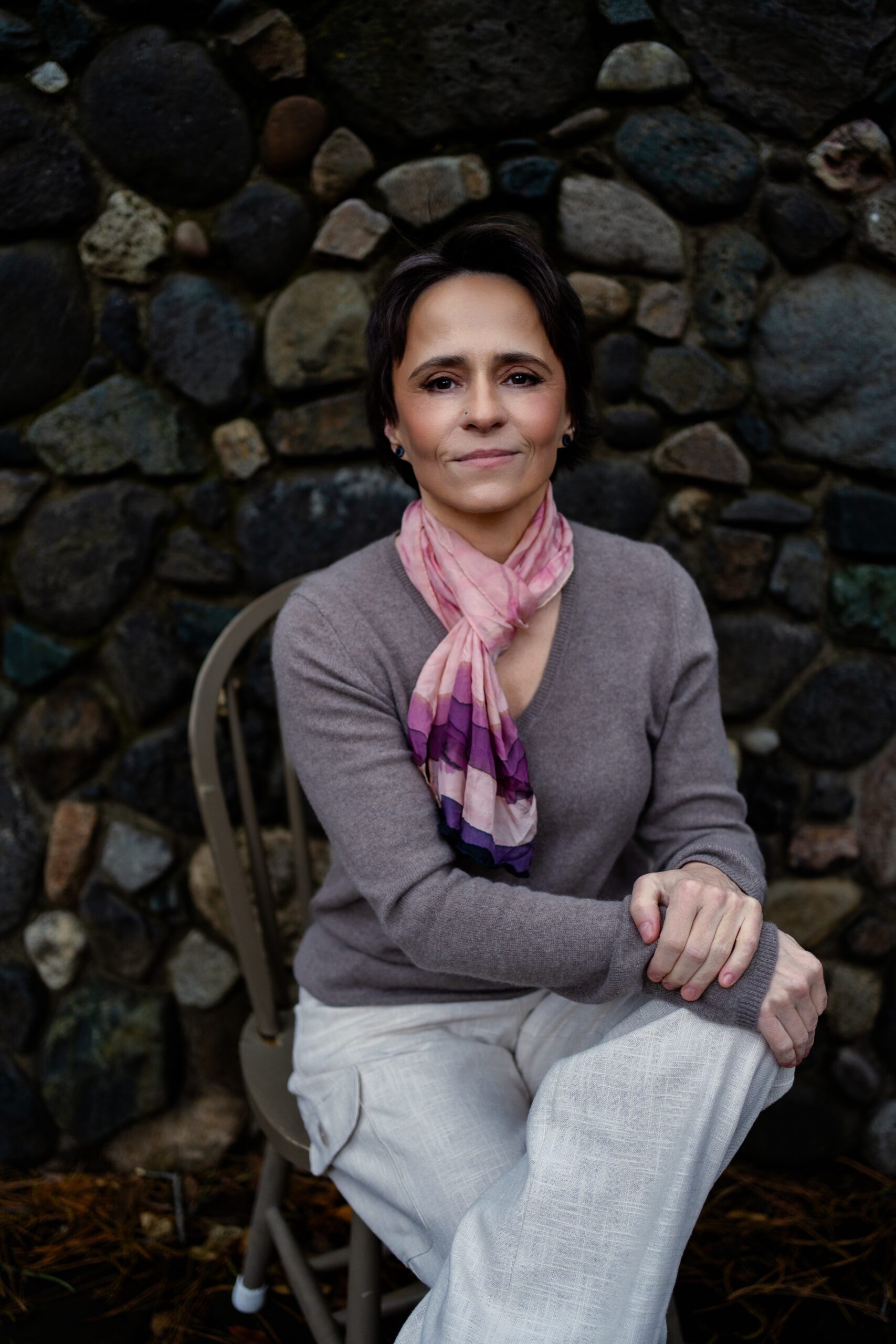
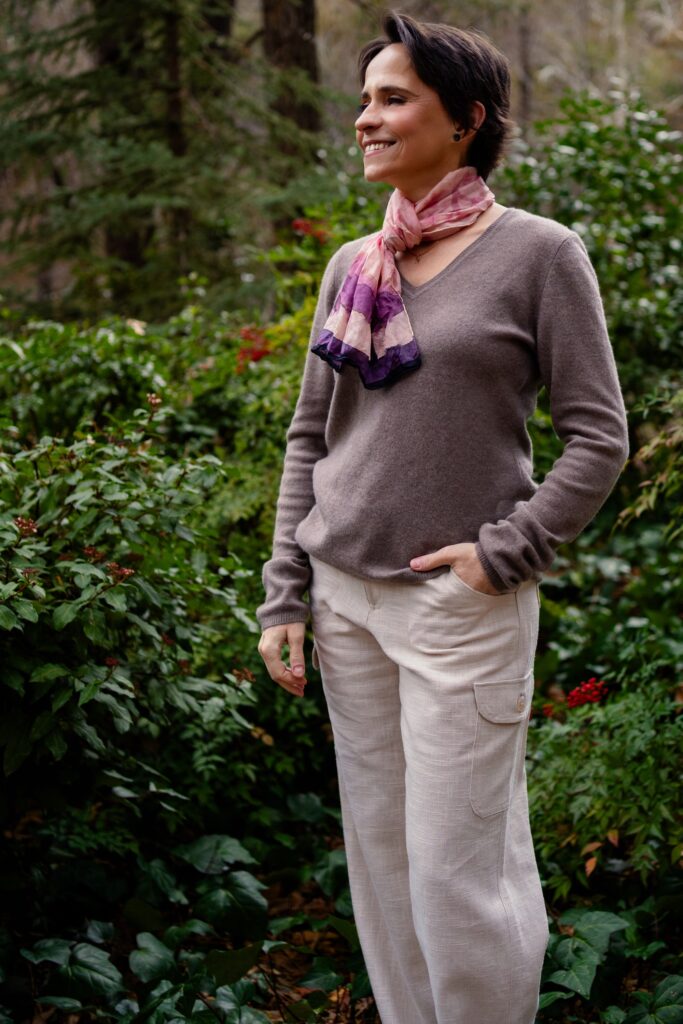
A European-licensed psychologist, therapist, and author, Katarzyna ‘Kasia’ Dodd is a 10-year veteran of the mental health field. She developed the Inner Parent Theory, a powerful missing piece in the framework surrounding the concept of the Inner Child. She has pioneered Emotional Freedom Techniques (EFT) in Poland and co-created the Inherence® Process, a method for restoring connection with the deep Self. Kasia Dodd was born and raised in Kraków, Poland. She spent 22 years in the United States before relocating to the Indian Ocean coast of Africa.
Dodd has launched a book in November called “The Chameleon’s Game” that explores the psychological traps of covert narcissism. Her book also shows the way back to self-trust and personal clarity. Through her own personal experience with an abusive relationship, her insight helps women learn the signs and related information about situations such as this. Dodd explains the core concept of the Inner Parent and how to address the internal dynamic. She delves into the unconventional strategies and practices that Emotional Freedom Techniques and Inherence® Process both share. Furthermore, Dodd reveals her upcoming release of “The Chameleon’s Game.” In addition, she teaches individuals how to recognize the subtle signs of manipulation and unhealthy dynamics in a relationship by detecting patterns. Lastly, she explains how her diverse academic and geographic background shapes her practice and holistic approach.
Could you explain the core concept of the Inner Parent and how addressing this internal dynamic can be transformative and therapeutic for the individual?
The Inner Parent-Inner Child framework reveals the actual architecture of human consciousness. When we’re born, the Inner Child is already perfectly formed—it’s our authentic vitality, emotions, creative power, and capacity for connection. This part never needs healing because it was never broken.
As we grow, what develops is the Inner Parent—the part that can step back, assess situations, and make conscious choices rather than react. It provides the structure and boundaries that allow our authentic self to express itself safely in the world. When it’s connected to the Inner Child, we experience coherence, confidence, and a clear sense of who we are.
Most people struggling in life aren’t suffering because their Inner Child is damaged. They’re suffering because their Inner Parent never learned to connect with that vital core. Maybe it absorbed wounded messages—”you’re too much,” “you’re not enough”—so instead of forming a bridge to the authentic Self, it built walls around it.
The therapeutic work becomes about rebuilding that internal connection. When the Inner Parent finally learns to see, trust, and hold space for the Inner Child it’s been running from, people don’t just feel better—they become whole. They stop searching externally for validation because they’ve found the relationship that matters most: the one with themselves.
This is why addressing the Inner Parent is transformative. You’re not fixing what’s broken. You’re reuniting what was separated.
How do both the Emotional Freedom Techniques and Inherence®Process use unconventional practices to exceed mainstream therapy and add a more profound path to healing than traditional approaches?
The difference comes down to how we understand the brain’s architecture. Our brain has three functional layers: the primitive base layer that handles our body and reflexes, the limbic system that manages emotions and survival responses, and the neocortex, where higher reasoning occurs. When trauma occurs, it doesn’t politely store itself in just one location—it writes itself into all three layers simultaneously. Into our bodies, our emotions, and our belief systems.
Traditional talk therapy works exclusively through the intellectual layer. And yes, understanding can bring relief—the brain feels better when it makes sense of something. But here’s the problem: that doesn’t erase the traumatic imprints still living in the lower regions. The body still holds the tension. The limbic system still fires the alarm. The trauma remains, just better understood.
What makes approaches like EFT so powerful is that they engage all three brain regions at the same time. While we’re working on a blocked emotion or limiting belief, we’re simultaneously activating the body, the emotional center, and conscious awareness. This creates synchronization across the entire system. The trauma recorded itself everywhere at once—so it needs to release everywhere at once. The Inherence® Process works in a similar way but goes even deeper into the subconscious layers.
This is why healing that might take years in conventional therapy can sometimes happen in a few sessions. We’re finally addressing the whole person, not just their capacity to think about their pain.
In your upcoming book, “The Chameleon’s Game,” what are the key distinctions between overt and covert narcissism, and what is the first step someone can take to reclaim their intuition and learn to self-trust after experiencing forms of manipulation?
The distinction is deceptively simple. The overt narcissist demands admiration—”Look at me, I’m amazing.” They’re grandiose, arrogant, and relatively easy to spot. The covert narcissist whispers something far more effective: “Look at me, I’m suffering.” They’ve mastered the art of weaponizing vulnerability.
While both types share the same core disorder—needing to be the absolute center of attention—the covert type hides behind perpetual victimhood. In cultures that value empathy and compassion, this disguise is nearly impenetrable. How do you set boundaries with someone who’s already wounded? How do you call out someone who’s already suffering? This is their perfect camouflage.
The first step to reclaiming your intuition is radical: stop trying to figure them out and turn your attention inward. Your intuition was screaming the entire time—you just learned to silence it to keep the peace. Those moments you felt crazy? That was you sensing the truth while being told it didn’t exist.
Start by asking: what in me responded to this dynamic? Trauma bonds don’t form randomly. They connect to familiar patterns, often learned before we had words for them. Your work isn’t to fix or understand them—it’s to understand why your system recognized theirs as “home.” That’s where your power and freedom live.
With your nearly twenty years of experience as a mental health practitioner and personal experience of navigating abuse, what are the subtle signs of an unhealthy dynamic that your female clients often overlook, and how do you help them recognize these patterns?
The most overlooked sign is also the most insidious: constant self-doubt. When you find yourself endlessly questioning your own perceptions, explaining your feelings, or moderating your needs to avoid “overreacting”—that’s not you being sensitive. That’s you adapting to someone who requires you to doubt yourself to maintain their reality.
Another pattern: walking on eggshells while somehow still being blamed for the emotional weather. You’re carefully managing your tone, your timing, your requests—and still, somehow, you’re the one causing problems. The relationship feels like a minefield where the mines keep moving.
I also watch for what I call “the hope addiction”—those brief moments of warmth that keep you believing change is coming. Just enough connection to make you stay, never enough to actually nourish you. This intermittent reinforcement is incredibly powerful and keeps women locked in patterns they’d never tolerate if they saw them clearly.
How do I help them recognize this? I ask them to describe their relationship as if it were happening to their best friend or daughter. The clarity that emerges is stunning. We can’t see our own patterns clearly while we’re inside them, but we’re excellent at recognizing harm to people we love. That shift in perspective often cracks the illusion wide open.
In “The Chameleon’s Game,” I unpack not just the narcissist’s patterns, but the path back to trusting yourself again—which is the real work.
Your background is in clinical psychology and theology, and you lived in Kraków and the US, and are heading to the coast of Africa. How have these diverse geographical and academic influences shaped your holistic approach in the psychological healing process?
Each place and discipline has taught me something essential about the human experience. Clinical psychology gave me the structure—understanding how the psyche develops, where patterns form, and what happens when that development gets disrupted. Theology opened the door to the deeper questions: what is consciousness? What’s the relationship between the individual self and the larger field of existence? These aren’t separate inquiries—they’re two languages describing the same territory.
Living in Kraków grounded me in extraordinary cultural richness—architecture spanning from Romanesque and medieval Gothic to Renaissance, Baroque, and beyond, centuries of musical tradition, the history of kings and nobility alongside common people, deep-rooted customs, and some of Europe’s oldest universities. It’s perhaps the best place to truly cultivate what we call “culture” in the fullest sense. Poland carries a depth of historical memory and resilience that shapes how people understand suffering and meaning.
Moving to the US showed me a different relationship with the self—more individualistic, more focused on personal empowerment, and embracing new, previously unknown possibilities.
Now, heading to the Indian Ocean coast of Africa feels like coming full circle. There’s something about being close to nature, to rhythms that aren’t dictated by Western urgency, that allows for deeper listening. The ocean itself is a teacher—reminding me that stillness and movement can exist simultaneously, that power doesn’t need to rush.
All of this taught me that healing isn’t just psychological, spiritual, or somatic—it’s the integration of all three. We are whole beings living in bodies, carrying consciousness, navigating meaning. True healing honors all of it.
Kasia Dodd has earned her second MA in theology from CTU Chicago. She expanded her practice beyond conventional methods and used approaches to the emotional levels of the human being that go beyond mainstream therapy. She is also the author of the book “You Are the Dream of the Universe.” For more information on her practice, visit https://katarzynadodd.com/.
Related Articles: Dr. Bernadette Anderson Shares Holistic Health Practices Empowering, Kristine Genovese: Creator of The Soul Intelligence® Method Teaches Energy Release Holistic Practices