( ENSPIRE Entertainment ) Colonial Theatre Preserves Film History & Venue for Modern Visitors’ Experiences
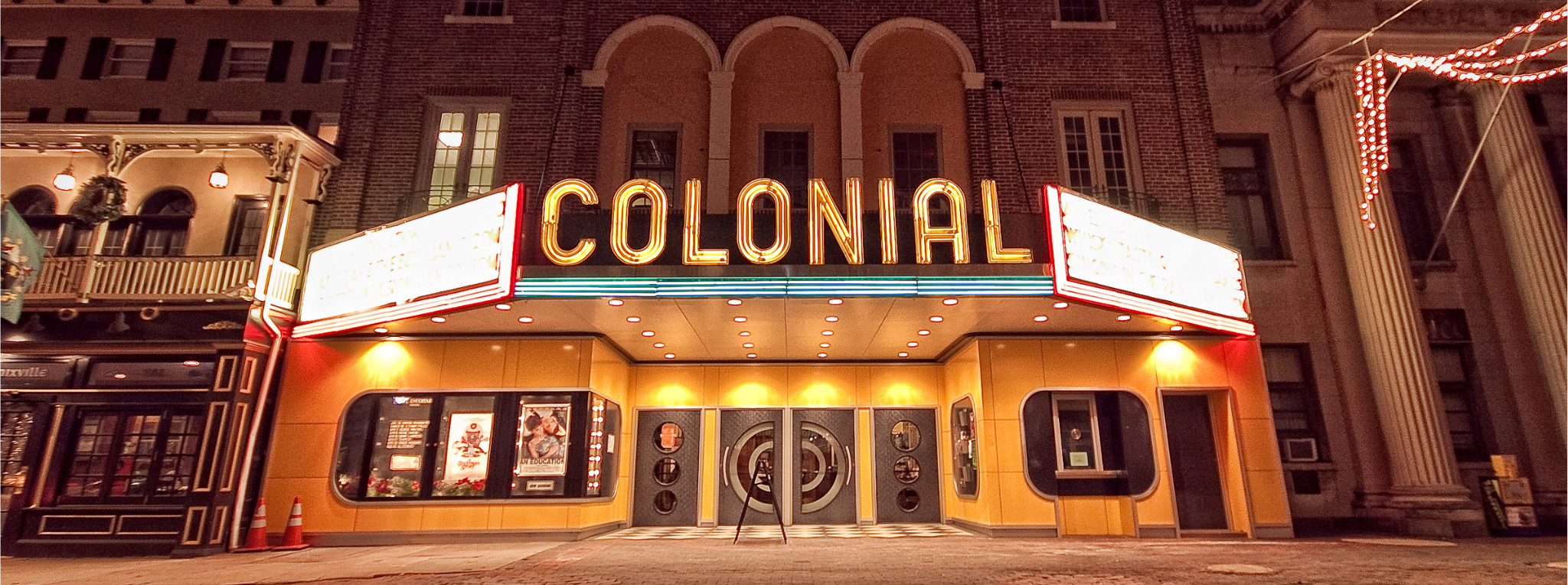
The only surviving historic theatre of its kind in Chester County, The Colonial Theatre is a hidden gem, just a short drive from Philadelphia to Phoenixville, PA. A cherished cultural landmark and a must-visit destination for film lovers, history buffs, and culture enthusiasts. This 120-year-old theatre was built in 1902 and was originally founded as the Colonial Opera House. This theatre was built at the turn of the 20th century as an affordable way to see amazing performers versus the New York City theaters. Harry Houdini and Mary Pickford, to name a few, graced the stage. Some fascinating tidbits include the theatre being an iconic movie location where the 1958 Steve McQueen sci-fi horror classic “The Blob” was filmed. Blending historic charm and modern entertainment, the Colonial Theatre now comprises three auditoriums in two connected historic buildings, both of which now host film screenings and live entertainment.
Combined with the 1902 ceiling medallions, along with the repurposed 1925 National Bank of Phoenixville, the older wing houses the box office and the 658-seat 1902 Theatre. This is where guests can walk the same aisles once graced by vaudeville legends and silver screen stars. The most updated wing, built on the site of the former National Bank of Phoenixville, houses the 174-seat White Rabbit Theatre and the intimate, 65-seat red-luxe Berry Theatre. The Colonial Theatre is still equipped for both 35mm film and 4K laser projection, offering audiences an unparalleled cinematic experience. From screening classic favorites and contemporary films to presenting themed programming honoring Black History Month, Women’s History Month, Pride Month, Juneteenth, and the Phoenixville Film Festival. These intimate venues showcase the Colonial’s immersive speakeasy and disco experiences, comedy shows, dance performances, concerts, and additional film screenings, all to support and fund other historic preservation projects.
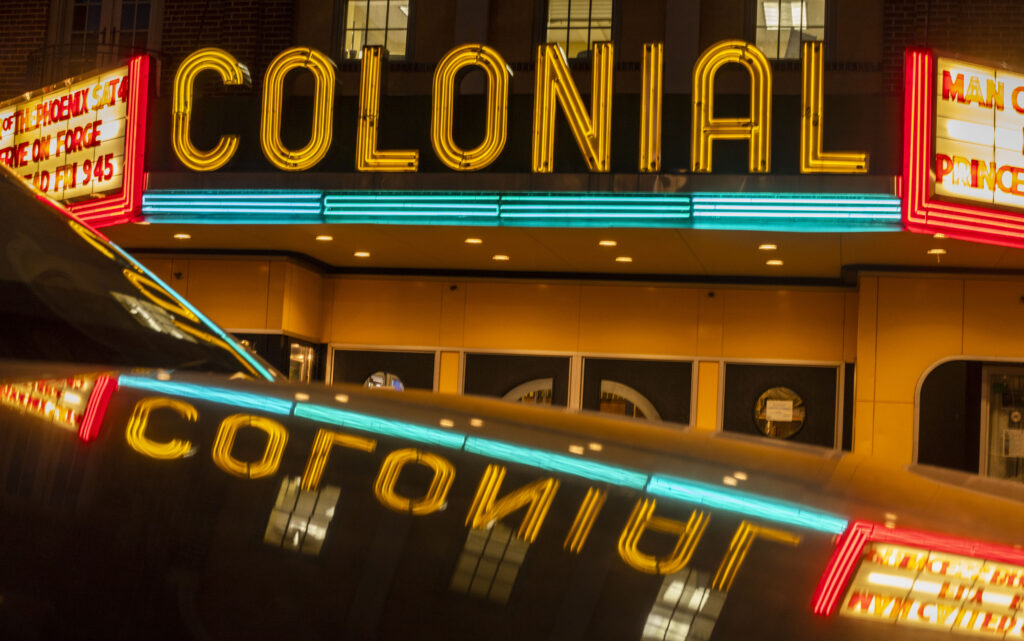
From a vaudeville and silent film house to now a thriving entertainment center for film, live music, and events, the Colonial Theatre has amazed audiences through pivotal moments. An example of this was in late 1928, when the theatre screened its first ‘talkie’ film, “The Jazz Singer,” ushering in a new era of sound in cinema. Today, a restored 1917 Wurlitzer Opus 585 pipe organ continues to anchor the Colonial’s silent film programming, offering visitors a nostalgic experience and preserving the tradition. “What makes the Colonial special is that it’s still evolving. We’re deeply rooted in our history, but we’re equally focused on ensuring this space remains vibrant, relevant, and welcoming for artists, audiences, and the Phoenixville community for decades to come,” states Jennifer Carlson, Executive Director of the Colonial Theatre. We interviewed Carlson to learn more about the Colonial Theatre, its preservation, experimental programming, community storytelling, famous pivotal experiences, and its cultural relevance today.
How does the Colonial Theatre balance historic preservation with modern cinematic technology?
One of the most effective ways to preserve a historic structure is to keep it relevant for use, and the Colonial accomplishes this by maintaining its historic architecture while updating the systems needed to operate as a modern cinema and concert venue. The original 1902 auditorium still reflects its 1927 “movie palace” renovation, preserving the decorative design and atmosphere of early twentieth-century theaters. At the same time, the space has been equipped with modern digital cinema technology so it can screen current releases. The theater also maintains traditional 35mm film projection, allowing audiences to experience classic films in their original format.
The Colonial expanded in 2017 by incorporating a neighboring historic bank building, creating two additional theater spaces with modern amenities while leaving the original auditorium unchanged. This expansion allowed the theater to support a wider range of programming and operate as a contemporary arts center while protecting its historic character.
One of the most distinctive ways the Colonial connects past and present is through silent film screenings accompanied by its historic Wurlitzer 585 theater organ, which has more than 1,600 pipes and is maintained by the Theatre Organ Society of the Delaware Valley. Experiencing a silent-era film inside a theater of the same era, with live organ accompaniment, offers audiences a rare and authentic connection to early cinema. For example, the Colonial recently screened Oscar Micheaux’s “Within Our Gates” with live accompaniment by organist Tedde Gibson.
Why was it important for the theatre to maintain both 35mm film projection and 4K laser capabilities?
Maintaining both 35mm film projection and 4K laser digital projection allows the Colonial Theatre to honor cinema’s history while remaining fully capable of presenting modern films. The very terms “film” and “movies” originate from the early technology of motion pictures – images captured on strips of photographic film and projected onto a screen. For most of the twentieth century, this photochemical process defined the moviegoing experience. During the 2010s, however, film distribution shifted almost entirely to digital formats because they were cheaper to produce and easier for studios to distribute and control.
By preserving 35mm projection, the Colonial can present films in the format for which many classics were originally created. Film projection maintains the distinctive visual qualities of celluloid—the texture, grain, and color that many filmmakers and historians consider central to the art of cinema. Some contemporary directors, including Quentin Tarantino and Spike Lee, continue to advocate for shooting and screening on film for these reasons. Maintaining this capability also allows the Colonial to screen archival prints from studios and film archives, something very few theaters can still do.
At the same time, the theater’s 4K laser digital projection ensures it can present current releases with the image quality expected by modern audiences and required by distributors. Having both systems allows the Colonial to bridge past and present—celebrating film history while remaining a fully functioning contemporary cinema. Because fewer than about 4% of theaters in the United States can still exhibit 35mm film, screenings in that format offer audiences a truly rare and distinctive experience.
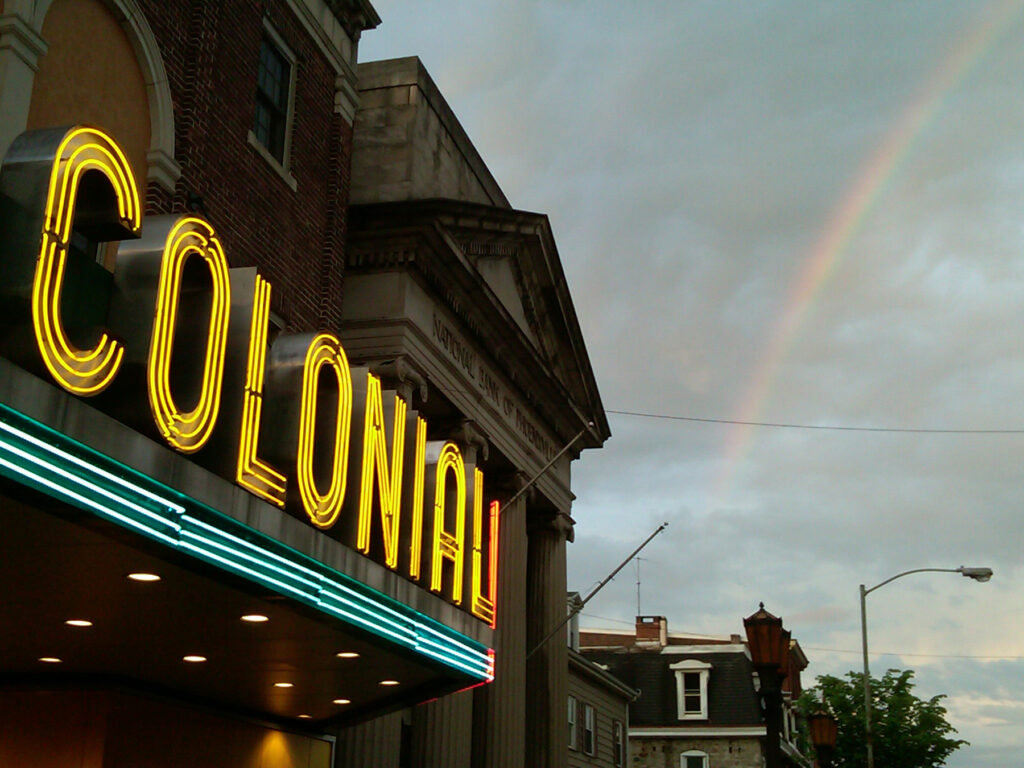
How do the White Rabbit and Berry theatres allow for more experimental programming compared to the historic 1902 theatre?
The White Rabbit Theatre (174 seats) and Berry Theatre (65 seats) provide flexible spaces that are ideal for smaller or unconventional programming. The White Rabbit’s retractable seating allows it to also function as a black box theatre, making it adaptable for different kinds of performances or events. We have used this layout to host jazz concerts, staged readings, and immersive experiences such as our popular Colonial 54 Disco Experience, featuring DJ Moshé Jenkins, and HUSH Speakeasy Experience, featuring Parlour Noir Jazz Band.
Because these rooms are smaller and more flexible, they can host niche films, independent screenings, workshops, or experimental performances without needing the large audience required to fill the main 1902 auditorium.
What types of community storytelling or performances work best in these intimate spaces?
Smaller theaters like the White Rabbit and Berry are especially suited for events that rely on close interaction between performers and audiences. Examples include:
- Independent or student film screenings
- Play readings or small theatrical productions
- Local storytelling events or spoken-word performances
- Q&A sessions with filmmakers
- Community discussions and panel talks
- Comedy shows or acoustic concerts
These formats benefit from the intimate atmosphere because audiences feel more connected to the performers.
Why do you think audiences are still drawn to Phoenixville to reenact the famous **“**run-out” scene from “The Blob”?
The reenactment is appealing because it allows audiences to participate in film history, not just watch it. In the 1958 film The Blob, the Colonial Theatre appears in a famous scene where terrified moviegoers run out of the theatre to escape the monster.
During the annual Blobfest, fans recreate that moment by running out of the theater just like in the movie. This interactive tradition connects fans to the film, the town, and the historic theater, turning cinema into a live, shared experience.
How has the film’s cult status helped support preservation of the Colonial Theatre?
The cult popularity of “The Blob” has become a major cultural and economic asset for the theater. The annual Blobfest festival, which includes screenings, contests, and reenactments of the run-out scene, attracts visitors from around the country.
This event generates tourism, media attention, and community pride, all of which help support fundraising, restoration projects, and continued public interest in preserving the historic theater.
What do modern audiences gain from experiencing films like “The Jazz Singer” in a historic theatre rather than streaming at home?
Watching classic films in a historic venue like the Colonial offers several unique benefits:
- Historical authenticity: The setting closely resembles the environment where early audiences originally saw these films.
- Collective experience: Viewing a film with a live audience recreates the communal excitement of early cinema and allows opportunities for discourse after the film.
- Educational context: Many screenings include introductions, historical context, discussions, or live musical accompaniment.
Together, these elements transform film from passive entertainment into a cultural and historical experience.
What keeps the Colonial Theatre culturally relevant after more than 120 years?
The Colonial Theatre’s continued cultural relevance—nearly 125 years after it first opened—comes down to one key group: its patrons. The theater still fulfills the same purpose it did in 1902: providing a welcoming, communal space where people can gather to experience art, entertainment, and storytelling together in a beautiful historic setting.
The Colonial’s staff works closely with its audience, actively listening to patrons and learning what kinds of experiences they want to see on stage and screen. That feedback helps shape a diverse and evolving lineup of programming, including new releases and classic films, concerts, lectures, festivals, immersive events, and community gatherings.
Today, the theater welcomes more than 60,000 visitors each year and continues to serve as a vibrant cultural hub for the Greater Philadelphia region—proving that a historic venue can remain vital when it stays connected to the community it serves.
The Colonial Theatre remains deeply committed to storytelling that reflects and uplifts diverse voices. Blending modern and historic experiences, visitors can immerse themselves in silent and modern films, join “The Blob” fanbase, and attend various forms of entertainment on stage. A community-focused venue dedicated to preservation and refurbishment, the Colonial Theatre is a historical gem that film and history lovers can appreciate. For more information, visit https://thecolonialtheatre.com/.
Related Articles: Bringing History to Life: Black Spectrum Theatre Company Launches Immersive “History Park” for Students, Wendell Pierce Leads $10 Million Push to Preserve New York’s Theatres of Color