

( ENSPIRE Health & Wellness ) Taking Care Of Those Who Take Care Of Us
ENSPIRE Contributor: Madison Dinges
As the holiday season draws to a close and we look toward 2026, the focus on family caregivers must shift from seasonal awareness to sustainable, year-round support. While November traditionally serves as a time to honor the millions of individuals who devote their lives to caring for loved ones with health needs, caregiving is a 365-day commitment that does not follow a calendar. These individuals serve as the backbone of our support systems, often balancing their personal lives and professional careers while providing unpaid care to aging parents, spouses, or children with chronic conditions.
Entering a new year offers a vital opportunity to address the emotional, physical, and financial toll that this labor of love can take on an individual. Without consistent community recognition and access to resources, family caregivers face a high risk of isolation, burnout, and neglecting their own health. By fostering safer spaces for connection and advocating for workplace flexibility, we can ensure that these resilient individuals are not just surviving their responsibilities but thriving alongside the people they care for every single day.
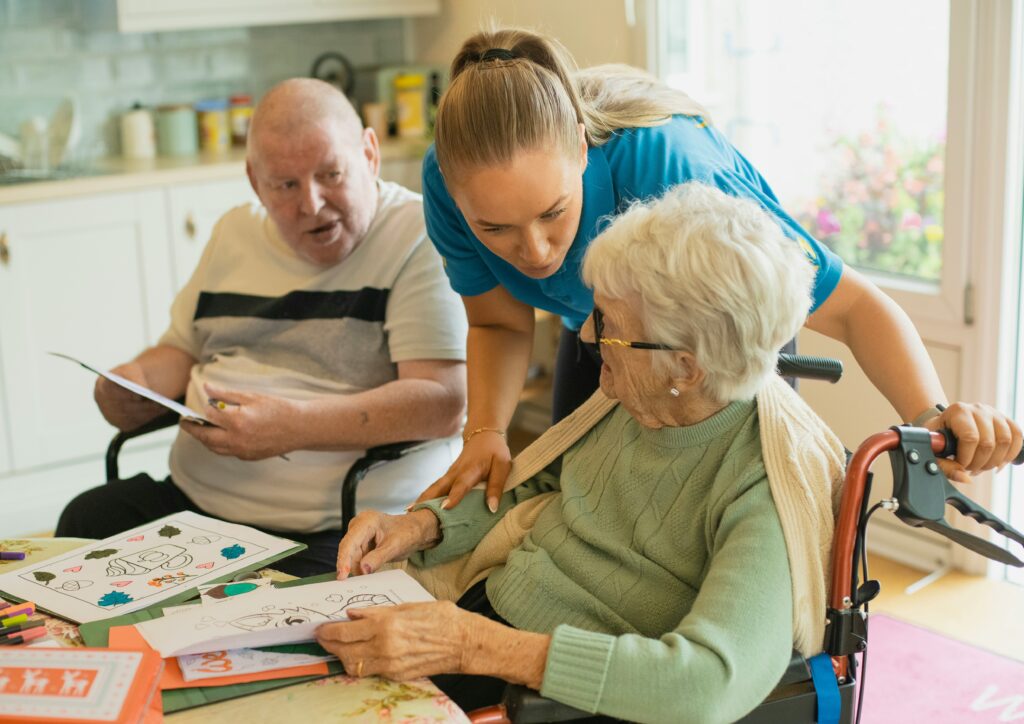
Behind every caregiver is a story. Some people care for aging parents, others assist ill spouses, and others support children with special needs. In this way, caregiving assumes a different form for each individual. The time, effort, emotional resilience, and love that go into this care deserve respect, appreciation, and support. These caregivers assist with daily tasks, manage their medications, offer emotional support, or simply be present in their lives. These tasks are crucial for those in need, which is why we should support those who help people live everyday.
Mental and emotional health is very critical for caretakers, and it is an aspect that is often overlooked. Many caregivers experience chronic stress, anxiety, depression, and, most commonly, grief, especially those who are caring for loved ones with progressive illnesses or mental-health conditions. Guilt, isolation, or just the fear of asking for help often compounded these challenges. Creating safer spaces for caregivers allows for their well-being to significantly improve as they can connect, share their experiences, and access counseling and support resources.

Workplace flexibility supports caregivers, as they must reduce their hours, take unpaid leave, or leave the workforce entirely because of caretaking demands. Employers who offer flexible schedules, remote work options, caregiver leave, and/or employee assistance programs can make a meaningful difference for many. Furthermore, community involvement can help offer care by offering services, meals, transportation, and educational workshops. When communities share the responsibility of care, they remind caregivers they are not alone.
Whether you are a caregiver, know a caregiver, or simply want to help support, there are meaningful ways to show appreciation for those who give:
- Reach out: Let caregivers know that you can see the amazing work that they do every day, appreciate them, and that you are there to help. A simple message, phone call, or offering to help them can make such a big difference.
- Advocate: Support policies, programs, and community services that provide caregiver support, healthcare access, and resources so you can help advocate for those in need.
- Celebrate and acknowledge: Take part in social media to spread awareness to all that you know, thank caregivers in your life, and help raise public awareness of the often-invisible labor.
- Take care of yourself: If you are providing care to loved ones and those in need, allow yourself grace. Seek support, accept help, and practice self-care. Remember that caring for yourself helps you to care better for others.

While there is a time that formally draws attention to caregivers in November, caregiving doesn’t follow a calendar; it is a 365-day job that caregivers give daily. That is why programs, resources, awareness, and community support must remain accessible beyond initiating the awareness month. As a community, honoring caregivers means more than recognition; it means building a supportive community and acknowledging the shared responsibility of caregiving.
Related Articles: Tech Czar Anita Darden Gardyne Takes Caregiver Platform Oneva to New Heights, How to Maintain Mental Health This New Year with Pia Johnson, and Jill Wright Coaches Mothers on Battling Burnout and Time Management Changing the ‘Self-Care’ Game