( ENSPIRE Sports ) Historic WNBA Collective Bargaining Agreement Marks a Billion-Dollar Shift in Player Pay and Power
The WNBA Collective Bargaining Agreement is more than just a contract negotiation—it’s a cultural shift that signals a new era not only for the league but for women’s sports. With a tentative deal now in place between the WNBA and the Women’s National Basketball Players Association (WNBPA), the future of the game is being redefined in real time. At its core, this agreement represents recognition of value, of influence, and of the undeniable role women athletes play in shaping the business of sports today. For years, conversations about women’s sports have centered on underpayment and underrepresentation. This new agreement flips that narrative.
The numbers alone tell a powerful story:
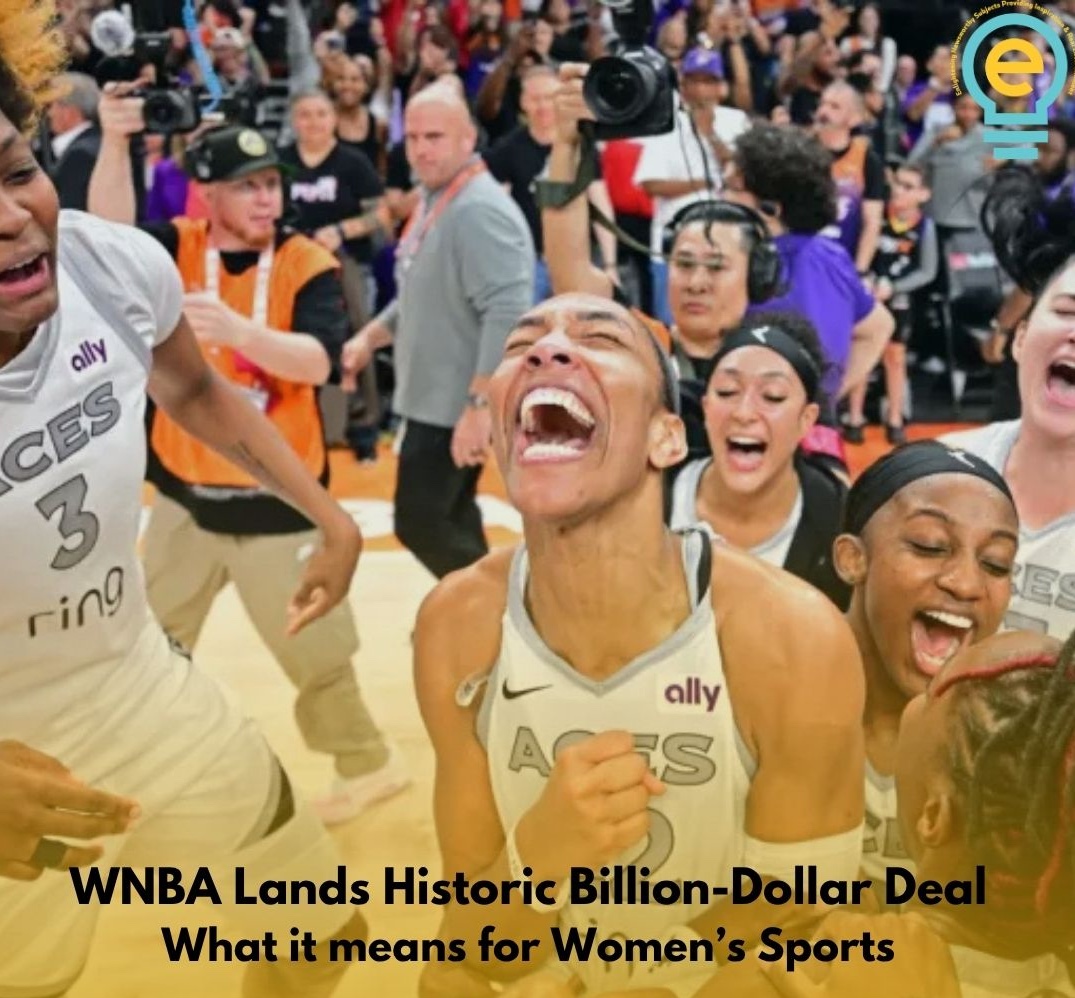
- A projected $1 billion in player salaries and benefits over the next seven years
- A nearly 5x increase in salary cap, jumping from $1.5 million to $7 million in 2026
- Average salaries expected to exceed $583,000, with top players reaching multi-million-dollar contracts
- Minimum salaries rising as high as $300,000, depending on experience
But beyond the figures, this is about lifestyle and longevity. For many players, this shift means fewer off-season jobs overseas, more time to focus on their craft, and greater financial stability throughout their careers. It’s the difference between surviving in the league and thriving within it.
What makes this agreement especially groundbreaking is the introduction of a revenue-sharing model, a first in women’s professional sports. Translation? Players now have a direct stake in the league’s success. As the WNBA continues to grow through increased viewership, brand partnerships, and cultural visibility, players will benefit alongside it. This marks a critical evolution: athletes are no longer just participants in the system; they are active stakeholders in the business. And that shift didn’t happen overnight. It’s the result of years of advocacy, organizing, and a new generation of athletes who understand both their influence and their worth.
This moment didn’t happen in isolation. The WNBA has been steadily building cultural momentum. From social media dominance to tunnel fashion moments and outspoken activism, players have expanded their impact far beyond the court. They’ve become style icons, thought leaders, and cultural influencers, drawing in a younger, more engaged audience. That visibility has translated into value and now into compensation. The new agreement is not charity. It’s a response to demand. Fans are watching. Brands are investing. Media coverage is growing. And the league is finally aligning its business model with its cultural relevance.
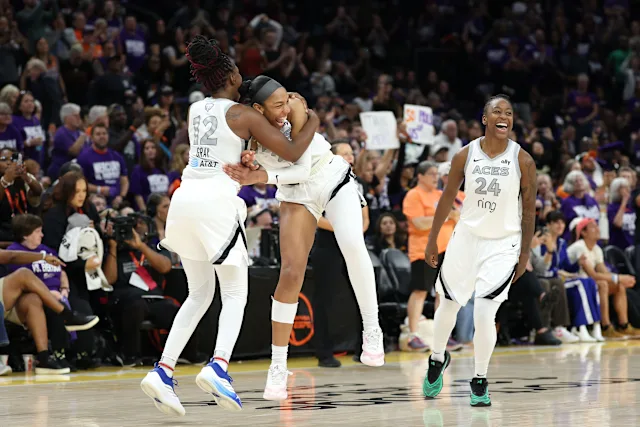
The impact of this agreement extends far beyond basketball. It sets a precedent for other leagues, organizations, and industries navigating conversations around equity and compensation. It shows what’s possible when growth is matched with intention—and when those at the center of the work are included in the reward. For young athletes, it redefines what a career in women’s sports can look like. For brands and partners, it signals opportunity. And for the culture, it reinforces a simple truth: investment follows influence—and women’s sports have both.
The WNBA Collective Bargaining Agreement isn’t just a milestone—it’s momentum. It reflects a league that has evolved, players who have claimed their power, and a future where women’s sports are not fighting for visibility—but operating from it. And if this moment is any indication, the next era won’t just be bigger. It will be transformative.
Related Articles: WNBA Changemakers and VOICEINSPORT Extend Community Partnership to Keep Girls in Sports, A’ja Wilson Becomes First-Ever Jr. WNBA Global Ambassador, Inspiring the Next Generation of Girls in Sports