
( ENSPIRE Lifestyle ) Estate Planning That Protects Every Generation
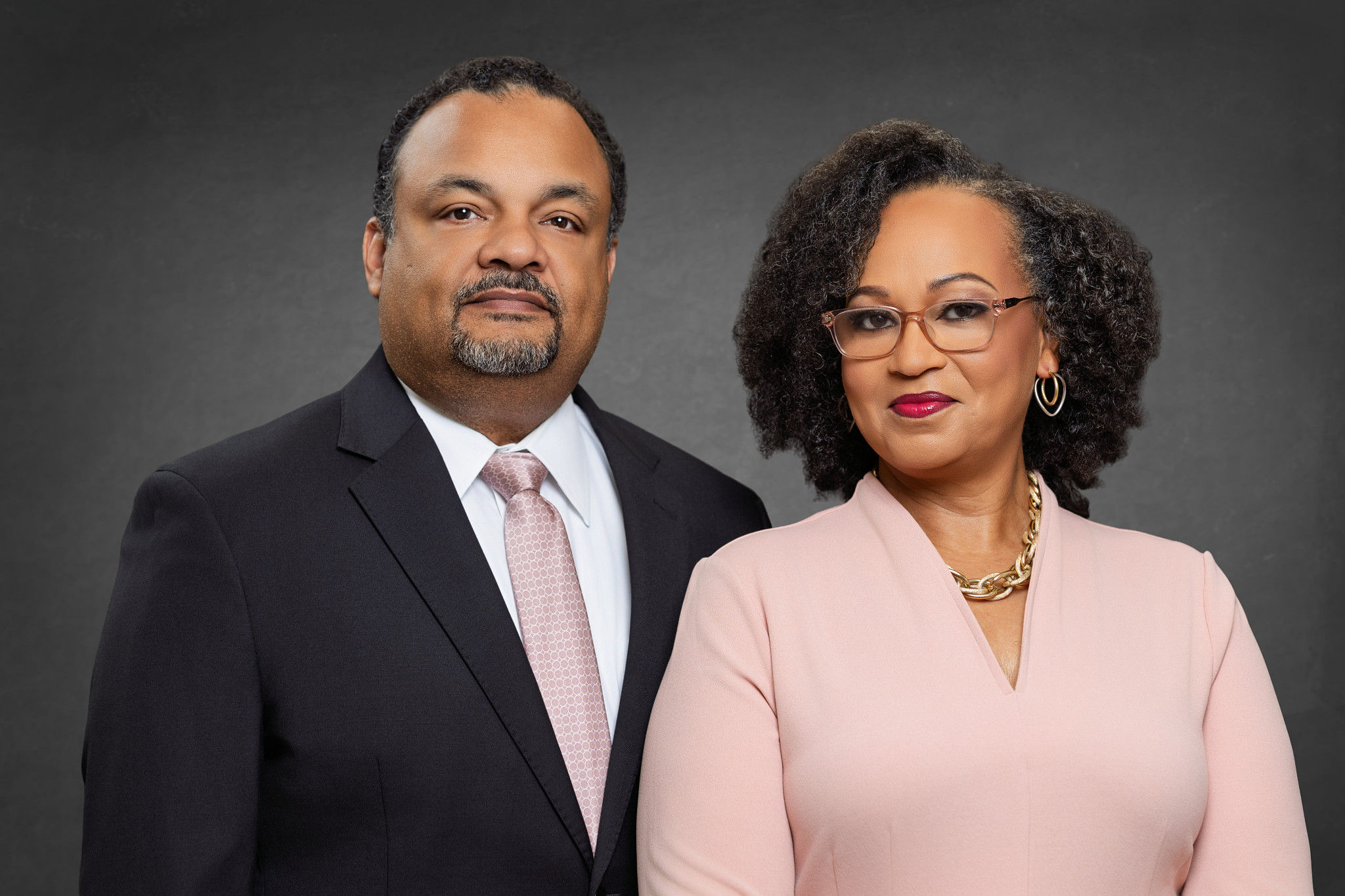
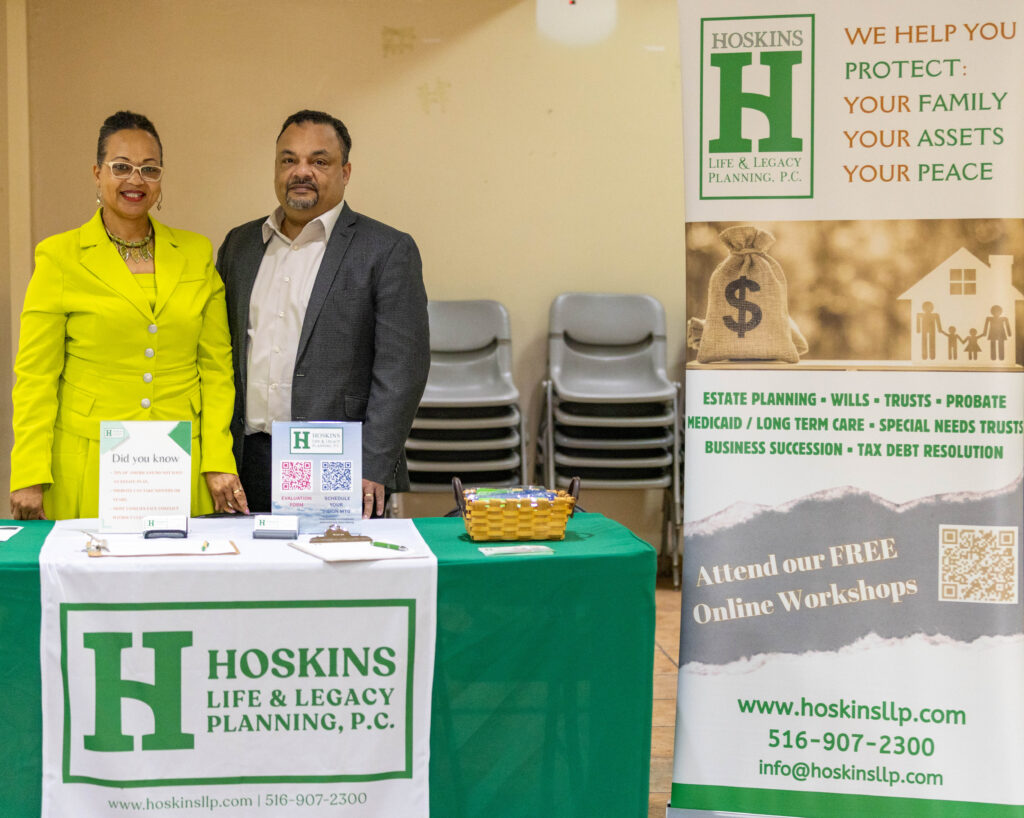
Estate planning is how Sharon and Robert Hoskins help families protect what they have built. It also prepares the next generation to carry that work forward. For ENSPIRE, their story reflects the power of ownership, community education and intentional action. The husband-and-wife attorneys lead Hoskins Life & Legacy Planning. They entered this field through questions within their own family and soon recognized the same need throughout their community. Their goal is to replace uncertainty with clarity and, as they put it, create peace.
Robert traces the shift in their practice to the needs of their mothers. Both women owned homes, and Sharon’s mother also held commercial property tied to her family’s history as local business owners. After years in matrimonial and family law, the couple knew their parents needed stronger protections. During the COVID-19 pandemic, the attorney preparing their parents’ plans encouraged them to study estate planning more deeply. They soon met neighbors and clients who owned property, savings, investments and businesses but had no clear plan for those assets. “If you want those assets distributed according to your wishes, you have to create a plan,” Robert says.
The message is especially urgent in Black and Brown communities. Conversations about inheritance, incapacity and end-of-life decisions are often postponed until a crisis. The Hoskinses want to make the first step less intimidating and show that planning matters at every income level. Sharon often meets homeowners who still believe they do not have enough wealth to protect. In the New York area, a house alone may be worth close to or more than a million dollars. “What you have is valuable,” Sharon says, adding that every family deserves a plan that reflects its wishes.
A piece of land in Sharon’s family shows what can happen when a plan does not anticipate future generations. Her grandfather left Southern property equally to his 12 children. As some family members died, their ownership interests passed to the next generation. Today, approximately 38 people share an interest in the property, and some do not know one another. So many owners must agree before the family can act. The land still has meaning and value, but it has remained largely unused for decades.
Robert’s family experienced what advance planning can make possible when his mother died in 2024. Her arrangements allowed the family to avoid probate. Robert and his brother initially expected to sell her home, but Robert’s 26-year-old son wanted to become a homeowner. The family turned his grandmother’s house into a foundation for his future and a chance to build equity. “That’s what good planning can make possible,” Robert says. “Something one generation built can become an opportunity for the next.”
The Hoskinses encourage families to talk across generations before an emergency. Aging parents can identify who should manage financial or healthcare matters if they become unable to do so. They can also explain what should happen to the family home. These conversations matter at the beginning of adulthood because parents may lose certain decision-making authority once a child turns 18. Young adults can learn about powers of attorney and healthcare proxies. Families should revisit their plans after major changes such as marriage, divorce, children, homeownership or the launch of a business.
Long-term care is another subject the couple wants families to understand early. People often confuse Medicare and Medicaid or assume Medicare will pay for extended care. Medicare generally provides healthcare coverage for older adults and certain other eligible people. Medicaid is needs-based and may help with long-term care when current eligibility rules are met. The legal and financial details vary by jurisdiction and circumstance. The Hoskinses see education and professional guidance as ways to replace assumptions with informed decisions.
The couple also challenges the belief that signing a will completes the entire process. A will is important, Robert explains, but in New York it generally must still go through probate. Only then does an executor receive authority to administer the estate. Families may also assume that a spouse automatically receives everything or that adding a child to a deed is a simple solution. Trusts are not exclusively for wealthy families and may help manage property or avoid probate for assets properly placed in them. The right tool is the one that fits the family and what it wants to protect.
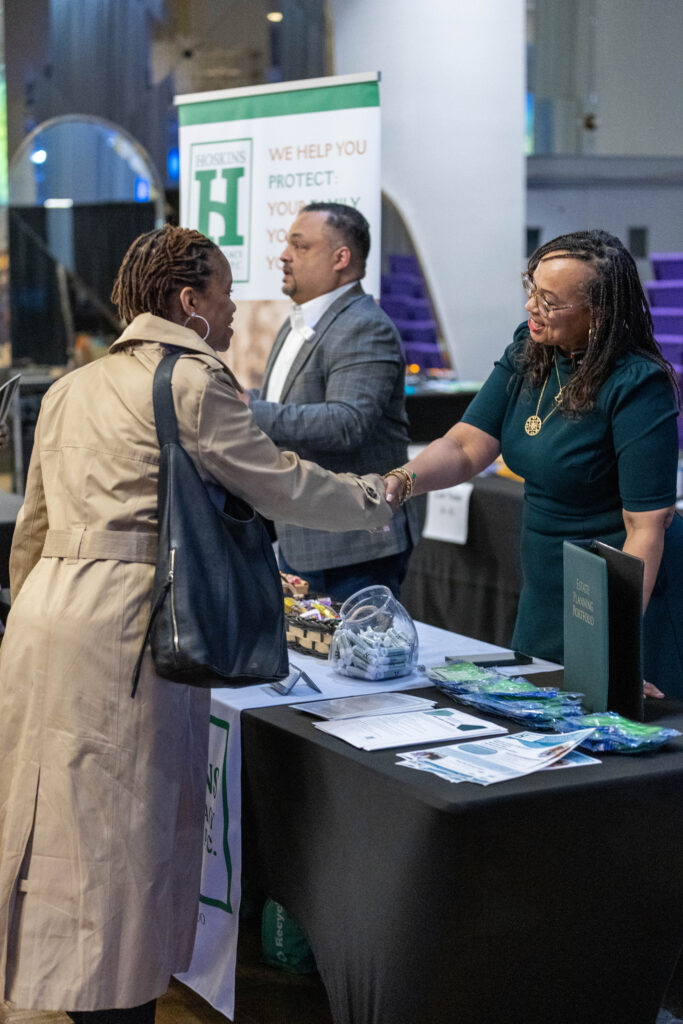
For Sharon, ownership means understanding what you have and taking responsibility for its future. For Robert, generational wealth requires more than leaving assets behind. The next generation needs a path to receive, understand and build upon them. Education remains central to Hoskins Life & Legacy Planning, which offers free online workshops twice each month. Building wealth is an accomplishment, while protecting it is an act of intention. By planning early, families can leave clarity and give the next generation a stronger foundation.
This article is for general informational purposes and does not constitute legal advice. Estate-planning and public-benefit rules vary by jurisdiction and circumstance; consult a qualified professional about your situation.
Related Articles: HBCU Champion Ethelbert Anum Leads the Charge in Financial Literacy, HBCU Buzz Founder Luke Lawal Writes “RICH Black, POOR Black”