
( ENSPIRE Entertainment ) Midnight Review: A Bold Racial Role Reversal
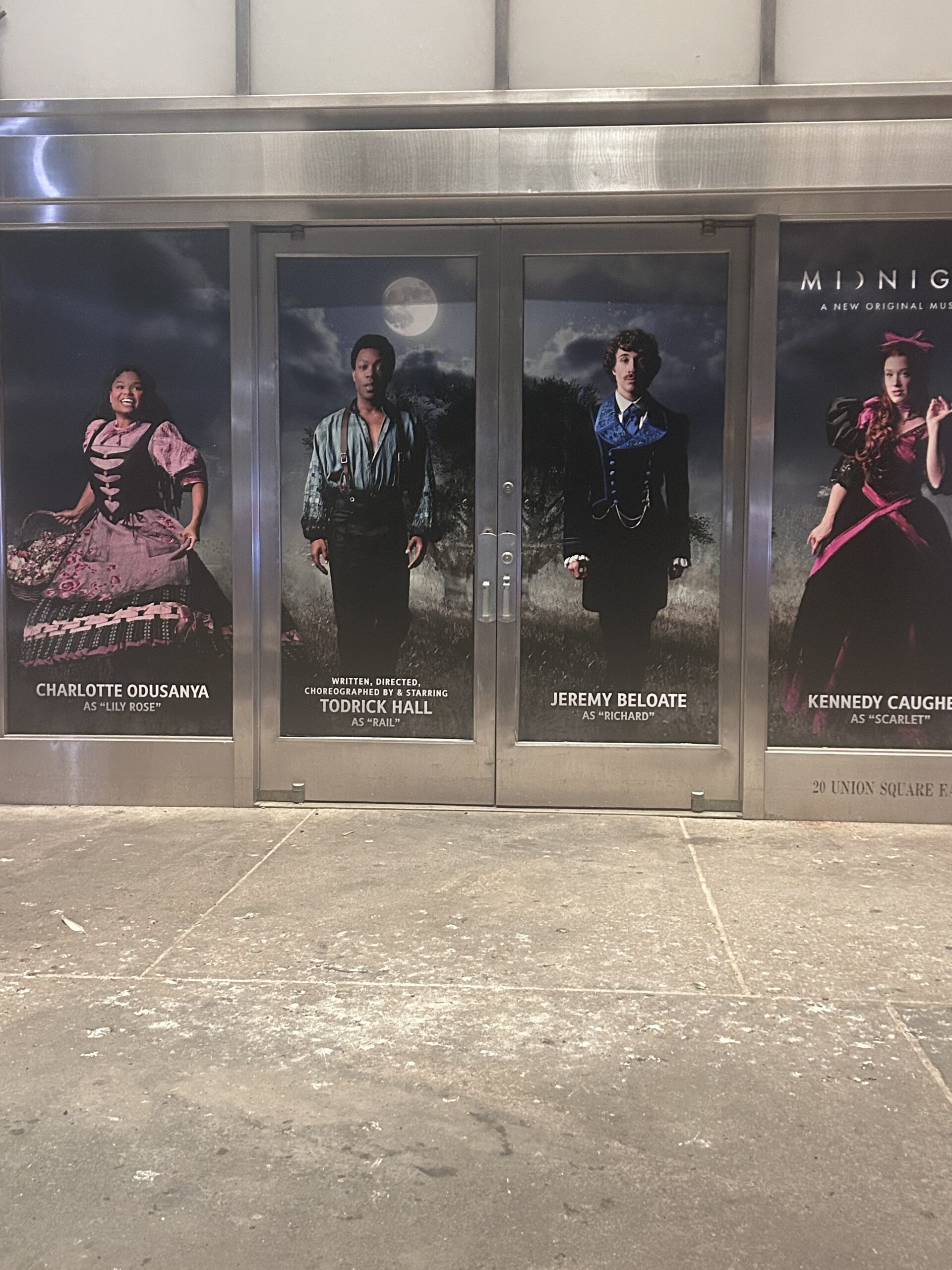
Todrick Hall’s original musical MIDNIGHT officially opened Off-Broadway at New York City’s Daryl Roth Theatre on September 27, 2026. Running approximately two hours and 30 minutes, including intermission, the production is an ambitious exploration of race, power, love, identity and the human experience. For ENSPIRE, the work represents both the exhilarating possibility of Black creative control and the responsibility that comes with interpreting painful history. The result is a technically impressive production that moved me deeply before its central role reversal complicated my connection to the story.
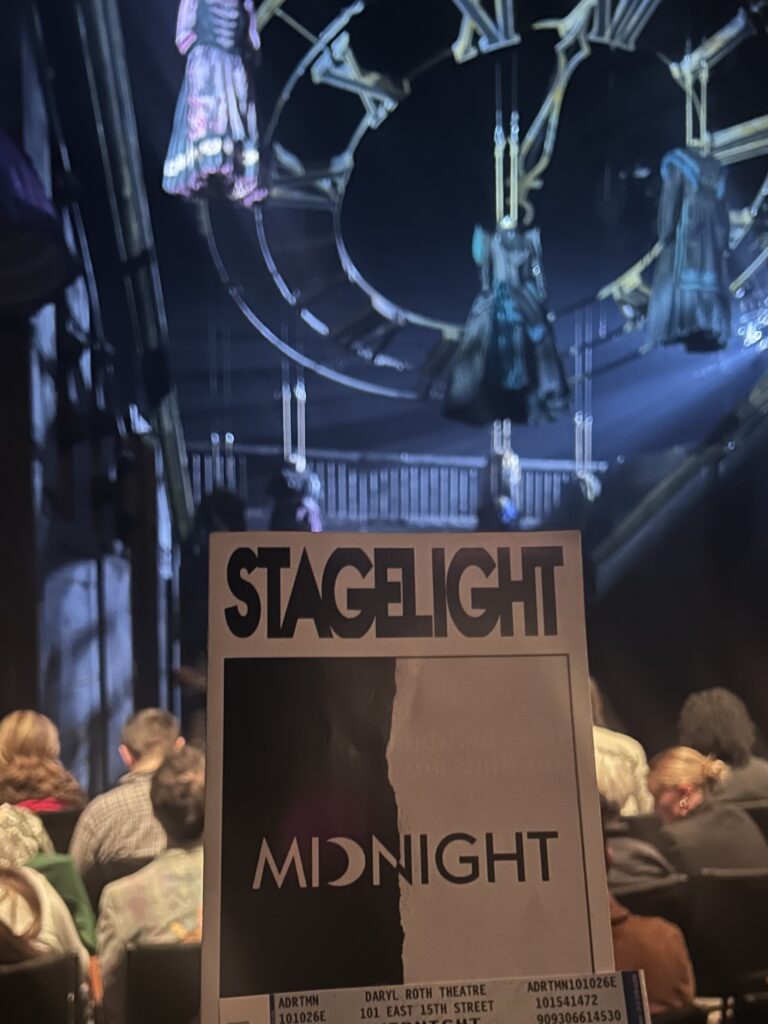
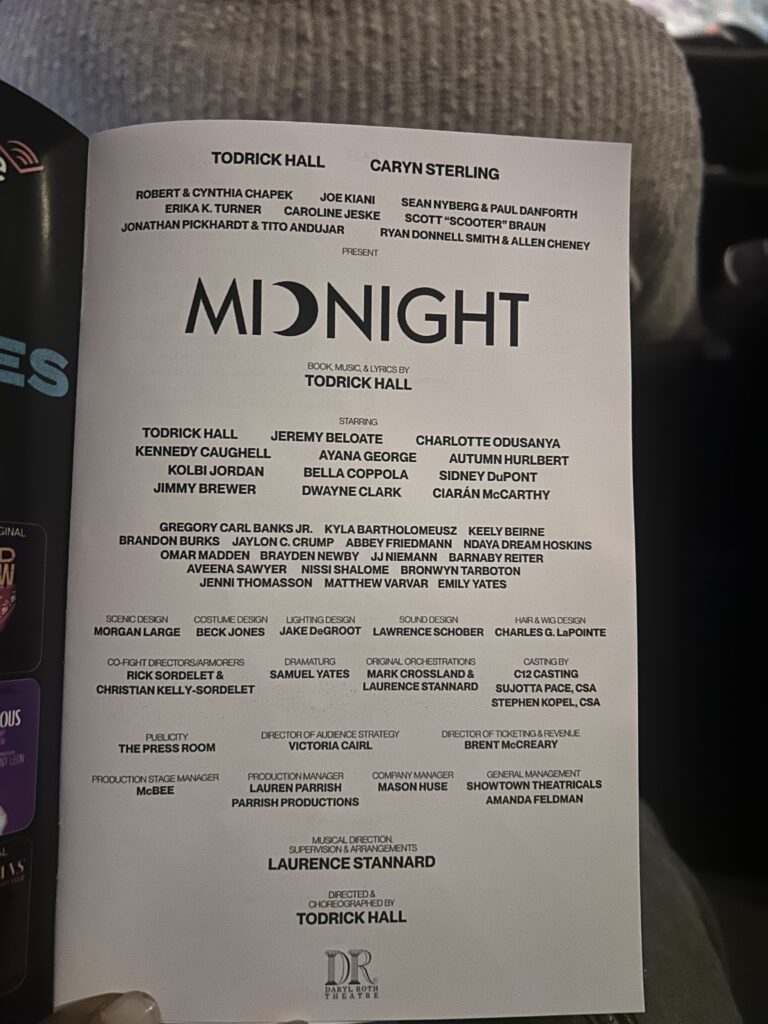
Written, directed and choreographed by Hall, who also stars in the production, MIDNIGHT demonstrates an extraordinary level of creativity. Developing a story of this magnitude while composing its music, choreographing its performances and bringing it to life onstage is an accomplishment worthy of recognition. From the opening moments, the artistry is undeniable. The choreography is exceptional, the stage design is visually captivating and the transitions create an almost seamless storytelling experience.
Set against slavery in the American South, the first act introduces a story rooted in oppression, survival, resilience and complicated human relationships. One central conflict involves an enslaved Black man and a white man who exercises power over him while harboring an attraction that complicates their interactions. Their dynamic explores ownership, desire, control and the complete absence of freedom. The cast’s strong vocal and acting performances give those tensions immediate emotional weight.
Within the opening musical numbers, the performances were powerful enough to bring audience members to tears. Music, storytelling, choreography and acting combined to create a connection to the characters and their suffering. As someone who appreciates Black history, culture and resilience, I found this portion particularly moving. The actors brought urgency and humanity to the stage, allowing the audience to engage with painful themes through compelling performances.
One moment left me questioning not the performance itself, but the response it received. During a scene in which a white character uses the N-word against the Black protagonist and spits in his face, I heard several audience members applaud. My immediate reaction was to wonder what, exactly, they were applauding: the intensity, the confrontation or something entirely different. I cannot speak to their intentions, but witnessing that response was unsettling.
When historical racial violence is dramatized for a contemporary audience, reactions matter. Theater brings together people from different cultures, backgrounds and lived experiences. Some viewers may recognize the historical pain beneath a scene while others engage primarily with its dramatic effect. That distinction deserves careful consideration when the material involves the dehumanization of Black people.
Following intermission, MIDNIGHT introduces a dramatic reversal in which the racial hierarchy is inverted and white characters occupy the positions of the enslaved. It is a bold creative decision, and I appreciate the larger question Hall appears to ask about whether people would develop greater empathy if forced to experience oppression themselves. Conceptually, the idea invites discussion. In practice, however, this is where the production began to lose me.
Watching white performers portray enslaved people and deliver musical performances modeled around that suffering created an unexpected emotional disconnect. The first act felt grounded in recognizable historical trauma, while the second approached parody rather than meaningful social commentary for me. This is not a criticism of the performers, whose talent remained evident throughout. The change in perspective and presentation simply made it difficult for me to remain emotionally invested.
Black enslavement in America carries a distinctive history, including the cultural expressions, spirituality, musical traditions and resilience that emerged from generations of suffering. Seeing those experiences reversed onstage raised a complicated question about whether reversing historical oppression can truly help an audience understand it. The reversal may invite empathy for some viewers, but it can also risk reducing a uniquely painful history to a theatrical exercise. Despite maintaining its technical brilliance, the production lost some of its soul for me.
Art has the power to challenge audiences, confront assumptions and encourage viewers to consider perspectives beyond their own. MIDNIGHT is undeniably ambitious, and Hall deserves recognition for bringing race, identity, sexuality and power into the same theatrical conversation. Yet ambition and impact are not always the same. The role reversal did not deepen my understanding of slavery or strengthen my connection to the characters; instead, it moved the narrative away from the emotional authenticity that made the opening act so compelling.
A person can imagine occupying someone else’s position, but imagination is not the same as understanding generational trauma and its historical consequences. Art does not need to reproduce history literally to carry meaning, but the way historical pain is reinterpreted matters. My question is not whether Hall has the creative freedom to tell this story, because he absolutely does. I question whether the second act communicates its intended message equally to audience members with vastly different understandings of America’s racial history.
There is no denying the talent, imagination and dedication behind MIDNIGHT. Its choreography, vocal performances, acting and stage design make it an impressive theatrical achievement even as its central choice invites debate. Supporting Black artists and celebrating Black creativity should never require abandoning thoughtful criticism. At ENSPIRE, cultural support means engaging honestly with the work, acknowledging artistic excellence while remaining willing to question creative decisions and their implications.
MIDNIGHT is a testament to Todrick Hall’s remarkable artistic vision. It is bold, imaginative and technically impressive, but its most powerful moments for me came before the roles were reversed. What began as a moving exploration of Black suffering and resilience became less convincing as the story progressed. Sometimes the greatest impact comes not from asking an audience to imagine history differently, but from allowing them to confront fully the weight of history as it was.
Related Articles: Billy Porter Recreates the Musical, The Life, Hell’s Kitchen: A Soulful Symphony of Love, Nostalgia, and Inspiration