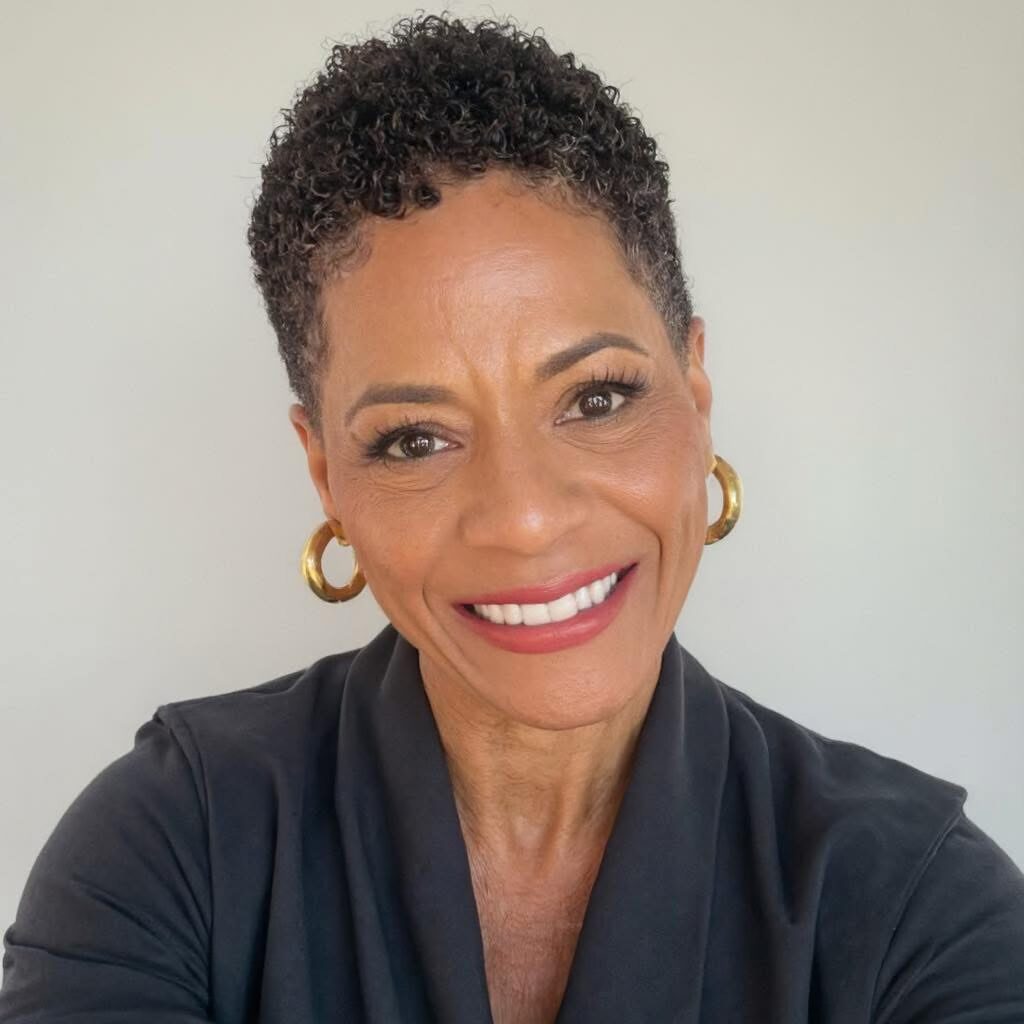
( ENSPIRE Perspective ) Closing the Hemp Loophole is Essential to protecting NYC’s children: Op-Ed by Rev. Sheila P. Johnson, LP, MPS
Rev. Johnson is Chair and President of Harlem Family Services, Inc.
When Albany legalized cannabis in 2021, it was done with a promise – it expunged records and committed 40 percent of adult-use tax revenue to go towards rebuilding the communities that were harmed by the war on drugs.
And legalization came with other important protections. Dispensaries can’t open near our churches or schools. These products must be sold in child-resistant, tamper-evident packaging. The law also strictly limits how marketers can promote the products, caps the THC content in each product, and prohibits products from containing lab-made synthetic cannabinoids. These are common-sense rules meant to protect our children and adult consumers alike.
Unfortunately, the hemp loophole undercuts all of that. We see it in our own communities, illegal sellers hiding behind a hemp designation continue to sell products that are made with cheap synthetic THC. Synthetic cannabinoids in particular are banned in our state because they can be up to 30 times as potent as natural THC, and while they mimic the high from marijuana, have been shown to create anxiety, paranoia and more at higher rates. They have also been shown to include mold, bacteria, and pesticides, and have labels that don’t reflect the amount of THC in the product.
While New York has banned these products, the loophole makes enforcement difficult.
Our young people are paying the highest price. Just walk through Harlem, Brooklyn, or the Bronx and you will see how this loophole is changing our neighborhoods. Smoke shops selling hemp-derived THC are opening where our children learn and play, where our communities gather. Across the five boroughs, parents and community leaders have come together to protest the proliferation of these illegal shops. Community Board 10 has documented over 125 illegal smoke shops in Harlem and cited reports of smoke shops selling edibles to 14-year-old children.
A licensed-dispensary would never operate in this way. Licensed dispensaries have gone through a rigorous application process and the state also prioritizes individuals who were disproportionately impacted by prohibition, minority and/or women owned businesses, distressed farmers, and service-disabled veterans for licenses. Their products are held to similarly high standards, and they pay a 9 percent state retail excise tax and a 4 percent local tax, on top of a wholesale tax.
This means every dollar spent on intoxicating hemp products is also a dollar taken from our communities. Illegal smoke shops actively avoid these taxes and our communities are robbed of the revenue that could go to education, public health, or drug treatment programs.
This is why I am calling on New York’s congressional delegation to keep their promise to our communities and close the hemp loophole for good. New York has built a system prioritizing safety and investment in our community, any vote to keep the loophole open undercuts those efforts.
Related Articles: Op-Ed: Unheard and Underserved: The Impact of Ignoring Black-Owned Media