( ENSPIRE Health & Wellness ) Building Sustainable Global Health Solutions Through Community Partnership
ENSPIRE Contributor: Aminah Diaby
Around the world, conversations about global health often focus on responding to crises after they happen. Shannon Fernando-Rubera believes lasting change begins much earlier by addressing the root causes of famine, poverty, and lack of opportunities. Additionally, as the Founder of Alabaster International, she has dedicated her career to building sustainable, community-led solutions. These efforts empower local leaders to shape their own futures. Moreover, from expanding food security through regenerative agriculture to improving Healthcare, Shannon challenges traditional ideas of humanitarian work. She demonstrates that lasting impact starts with partnership.
Climate change, food insecurity, and unequal access to healthcare affect millions worldwide. It’s increasingly clear that lasting change takes more than short-term relief. Emergency aid can meet immediate needs, but real progress requires trust, collaboration, and long-term investment in local communities. Many organizations recognize that the people closest to these challenges often hold the knowledge and leadership to solve them. By listening first and working alongside communities, sustainable solutions become possible and can continue long after outside support has ended.
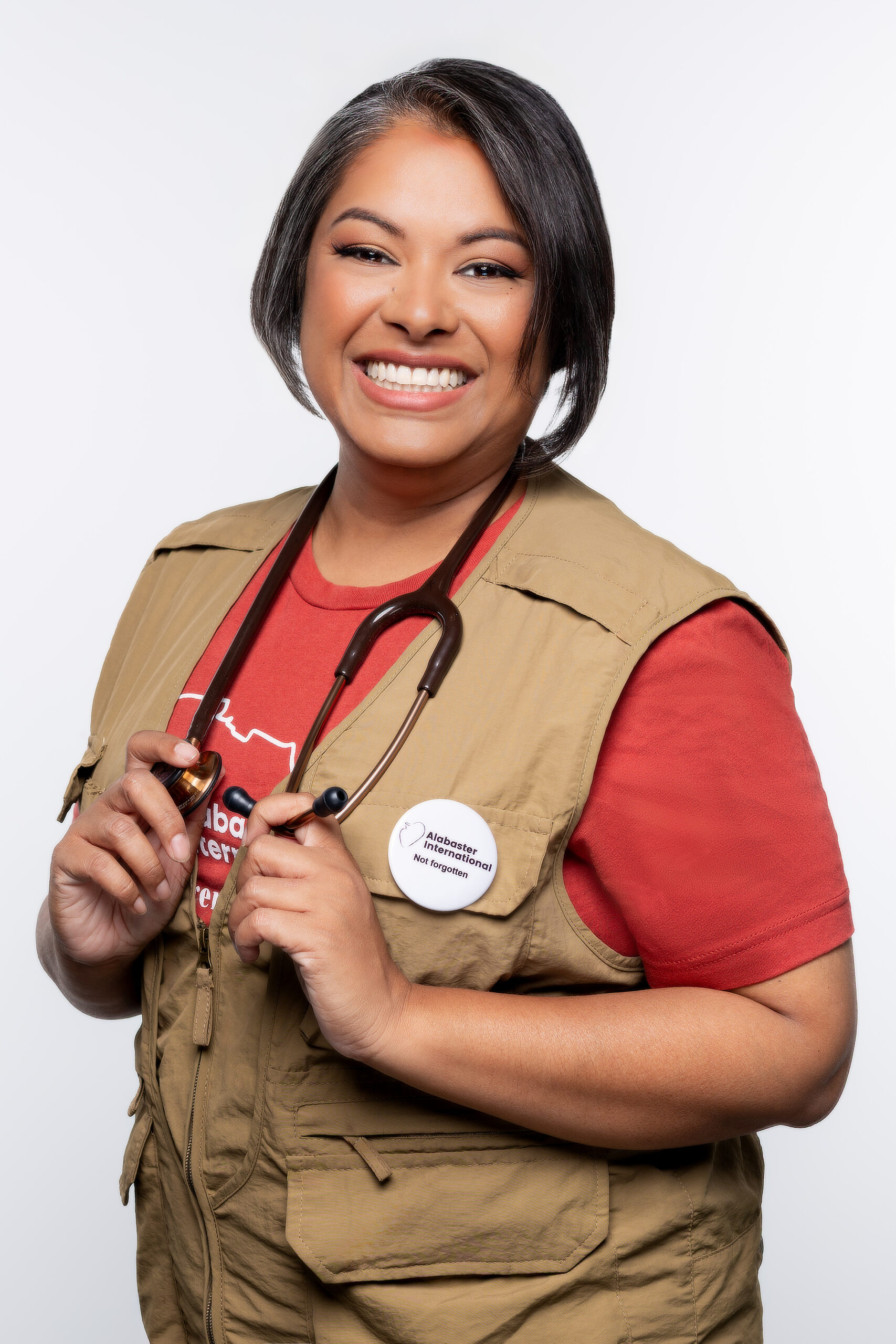
Her journey reflects this belief in a deeply personal way. She began her career as a family nurse practitioner. She soon realized health improvements require addressing challenges before people enter clinics. From supporting food security and economic opportunity, she invests in education and local leadership. Her work has expanded far beyond traditional healthcare. Through Alabaster International, she has embraced a holistic approach. It empowers communities to build healthier, stronger, and more sustainable futures on their own terms.
In our conversation with Shannon Fernando-Rubera, she reflects on the experiences that shaped both her career and her purpose. She shares the lessons she’s learned while working alongside communities in Kenya emphasizing the importance of building relationships rooted in trust and the vision guiding Alabaster International’s mission. Rather than viewing humanitarian work as simply providing aid, Shannon believes meaningful change begins by listening. Additionally, it involves learning and empowering communities to lead the way. Her story offers a hopeful reminder that lasting impact is not created through charity. Rather, it comes through genuine partnership and a shared commitment to a better future.
What moment in Kenya completely changed how you viewed healthcare and humanitarian work?
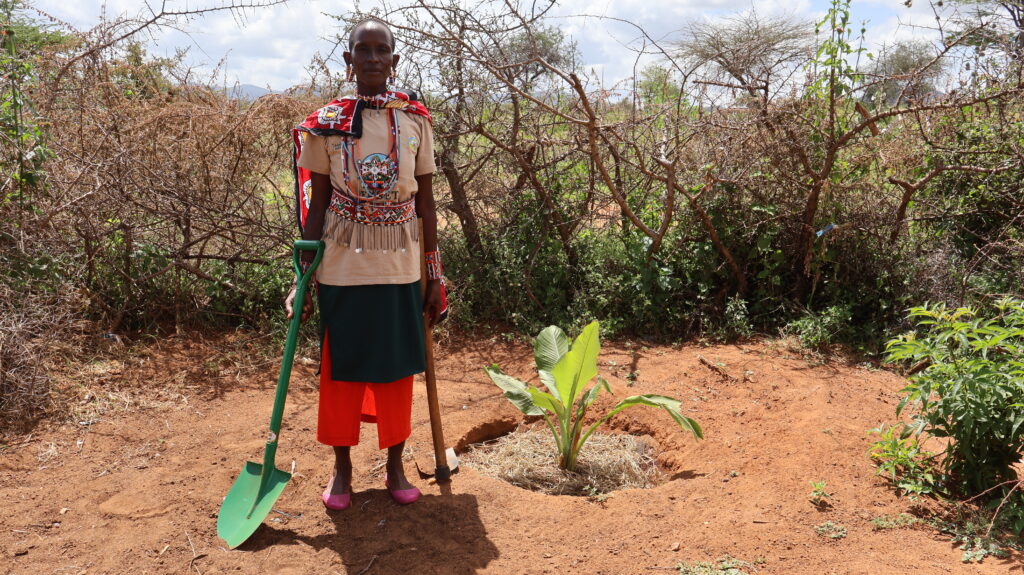
There wasn’t one dramatic moment—it was a slow realization over years. I arrived believing that healthcare was primarily about delivering medical care. But sitting with Maasai women under acacia trees, walking with Turkana communities during drought, and watching families navigate challenges with incredible resilience, I realized that medicine alone could never solve what people were facing.
A child’s illness often wasn’t caused only by a lack of medicine; it was caused by hunger, lack of water, lost livelihoods, or systems that had failed them long before they reached a clinic. That completely reshaped how I think about healthcare. Today, I don’t see healthcare as something that begins in a hospital. It begins with food security, women’s empowerment, education, and communities having the ability to determine their own future. That’s why Alabaster invests in things like regenerative agriculture and education, because preventing hunger is just as much healthcare as treating disease.
After four years of work, what did the first successful enset harvest feel like?
Moreover, it was incredibly emotional, not only because of the scientific milestone, but because of what it represented. Additionally, for years, people told us it couldn’t be done.
Enset had never been successfully introduced outside Ethiopia. We spent years building trust, navigating government approvals, and conducting research. We learned from local experts and refused to give up. When we harvested that first plant in Kenya, I remembered every woman who believed in this vision. Before there was evidence it would work, they believed. That harvest wasn’t just a crop in healthcare terms. It represented hope. It showed the possibility that drought-affected communities could become food secure using a crop that can withstand climate extremes. History remembers the harvest. Ultimately, what I’ll always remember are the thousands of small acts of persistence that made it possible.
What does true partnership look like when working alongside communities instead of leading them?
To me, partnership begins with humility. Too often humanitarian work assumes that solutions come from outside. We’ve learned the opposite. Communities already possess extraordinary knowledge, resilience, and innovation. Our role isn’t to arrive with all the answers; it’s to listen, invest, and help remove barriers so local leaders can succeed. Some of our best ideas have come directly from women farmers, community health workers, and local universities. The EnsetAI platform itself was co-designed with farmers, not for them. Success isn’t when communities need us forever. Success is when they no longer do.
If you could change one misconception about humanitarian work, what would it be?
I wish people understood that Healthcare humanitarian work isn’t about rescuing people. Moreover, the most effective humanitarian work isn’t charity; it’s partnership. Thus, it’s creating conditions where people can build lasting solutions for themselves. Similarly, communities affected by conflict, poverty, or climate shocks are not defined by their needs. Ultimately, they’re defined by their potential. Instead, our responsibility isn’t to become the heroes of someone else’s story. It’s to help create opportunities for local leaders to write their own. Thus, that shift—from charity to dignity—is where lasting change happens.
What advice would you give the younger Shannon who had just been rejected from every medical school she applied to?
I would tell her that rejection is not the end of your calling. At the time, I believed becoming a physician was the only way I could make a meaningful difference. I couldn’t imagine another path. Looking back, every closed door redirected me toward something I never could have planned. Becoming a nurse practitioner taught me to care for the whole person where vulnerability and compassion meet. Starting Alabaster allowed me to work far beyond the walls of a clinic. Today, our work spans healthcare, agriculture, artificial intelligence, women’s entrepreneurship, and education, not because I planned it that way, but because I learned to follow my calling instead of the title. So I’d tell my younger self: don’t confuse your dream with the pathway. Sometimes the detour becomes the purpose. The thing you think is holding you back may actually be preparing you for something far bigger than you can see today.
In a world where numbers often measure impact, Shannon Fernando-Rubera focuses on people. Each partnership she builds, every woman she empowers, and every community she strengthens reflects her belief that lasting change begins with listening before leading. Her work serves as a reminder that hope is cultivated through trust and the courage to invest in others. As Alabaster International continues to grow, Shannon’s vision provides something the world desperately needs now: evidence that disadvantaged communities can flourish when allowed to lead and shape their own futures.
Recent Articles: More Than a Bear: How Jean Butler and the EnCourage Kids Foundation Are Humanizing Healthcare, BET and Peloton Build a Wellness Community for Women Through Sistas Season 10